Black Imported Fire Ants Identification Guide
Solenopsis richteri
Black imported fire ants are aggressive, stinging ants native to South America that have established a limited foothold in the southeastern United States. Darker in color than their more widespread relative the red imported fire ant, they build large earthen mounds and deliver painful stings that can cause allergic reactions.
Taxonomy
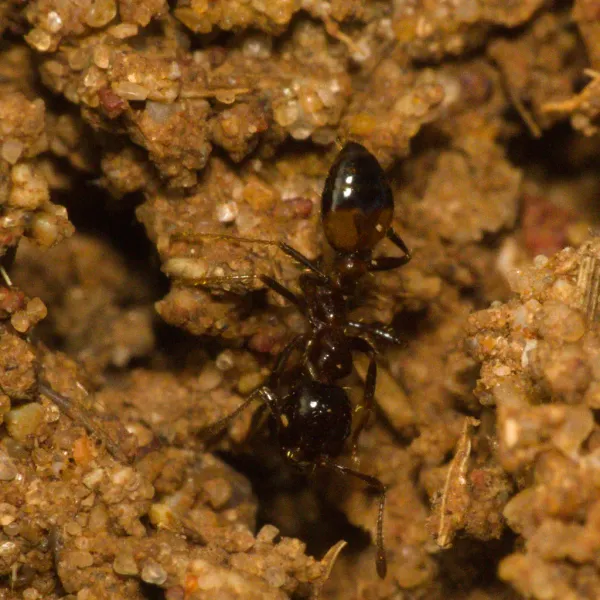
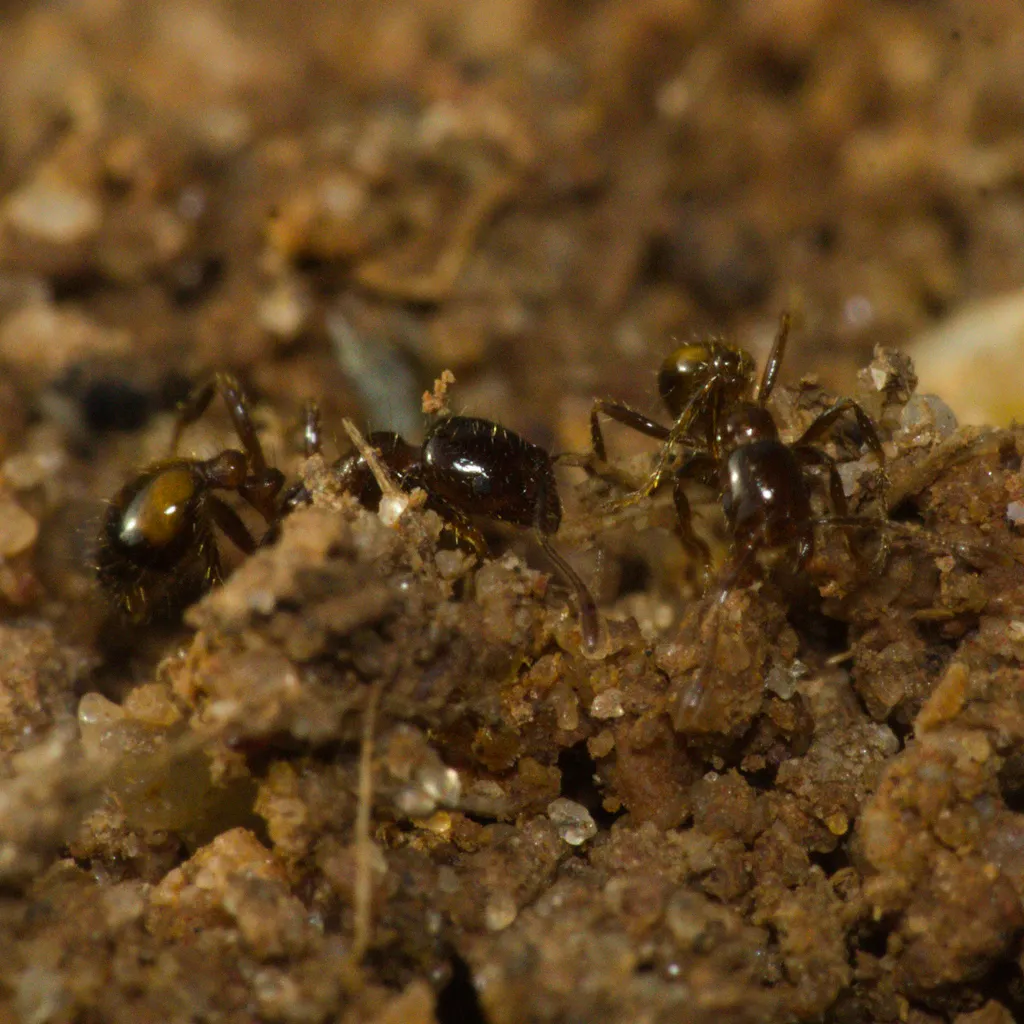
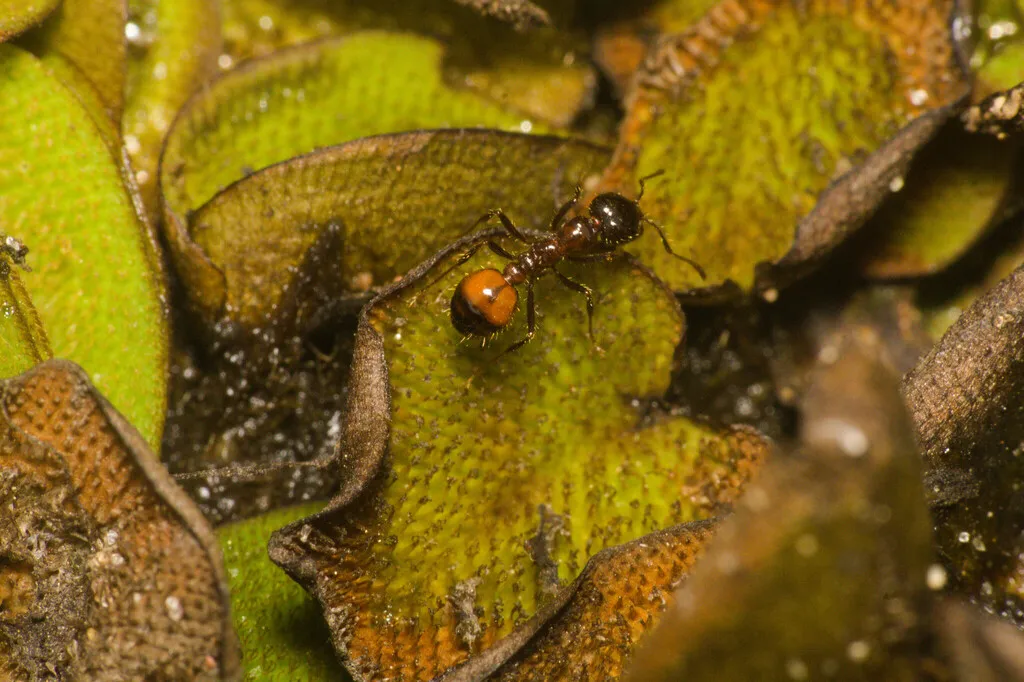
Black Imported Fire Ants Coloration
Common color patterns to help identify black imported fire ants
Black Imported Fire Ants
Seasonal Activity
When black imported fire ants are most active throughout the year

Where Black Imported Fire Ants Are Found
Hover over states to see their names. Green regions indicate where black imported fire ants have been reported.
Black Imported Fire Ant Identification Guide
The black imported fire ant (Solenopsis richteri) is an invasive ant species from South America. It has set up colonies in a small part of the southeastern United States. While not as widespread as the red imported fire ant (Solenopsis invicta), the black imported fire ant is just as aggressive. It delivers the same painful stings that have made imported fire ants one of the most feared pest groups in North America.
This species was first found near Mobile, Alabama, in the early 1900s. It arrived on cargo ships from South America. Today it lives in a small area covering northeastern Mississippi, northwestern Alabama, and south-central Tennessee. A hybrid zone exists where its range overlaps with the red imported fire ant. In these overlap areas, the two species breed together and produce offspring with mixed traits.
Physical Characteristics
Black imported fire ants come in different sizes within the same colony. Workers range from 2.4 to 6 mm (about 1/8 to 1/4 inch) long. This size range is a helpful clue for identification, since many other ant species have workers that are all the same size.
Key features to look for:
- Color: Dark brown to black all over, much darker than the reddish-brown red imported fire ants
- 10-segmented antennae with a two-segment club at the tip
- Two-node waist: Two small segments connect the middle body to the abdomen
- Smooth back: No spines on the upper body, unlike some other ant types
- Bent antennae with a clear elbow joint
Queens are bigger than workers, usually 6 to 8 mm long. Winged males are all black and a bit smaller than queens. If you see these winged ants near a mound, the colony is mature and producing new queens.
Black Imported Fire Ant Mounds
S. richteri builds dirt mounds in open, sunny spots. These mounds look just like red imported fire ant mounds:
- Dome shape: Typically 10 to 24 inches in diameter and up to 18 inches tall
- No visible entrance hole on the mound surface. Ants enter and exit through underground tunnels
- Worked, granular soil that appears freshly turned
- Location: Open ground such as lawns, pastures, roadsides, and near building foundations
When a mound is disturbed, workers swarm out within seconds. Hundreds to thousands of ants will climb anything that touches the mound. This aggressive response is common to all imported fire ants. It is one of the easiest ways to confirm you are dealing with fire ants, but it comes with painful stings.
Species Commonly Confused with Black Imported Fire Ants
Several ant species are often mistaken for black imported fire ants:
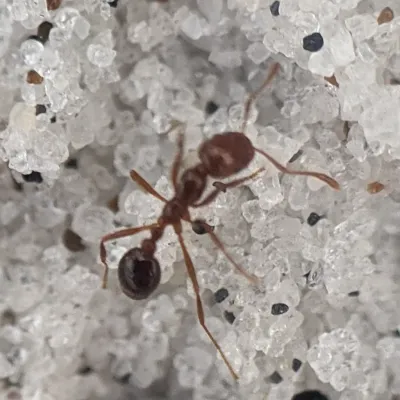
- Red imported fire ant (Solenopsis invicta): The most common mix-up. Red imported fire ants have a reddish-brown head and middle body with a darker abdomen. Black imported fire ants are dark all over. In areas where both species live, telling them apart often requires an expert or genetic testing.
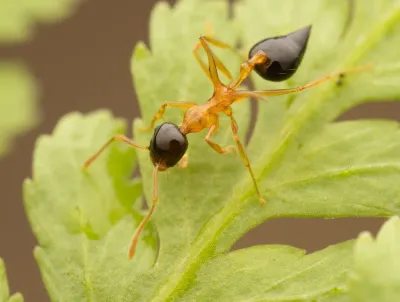
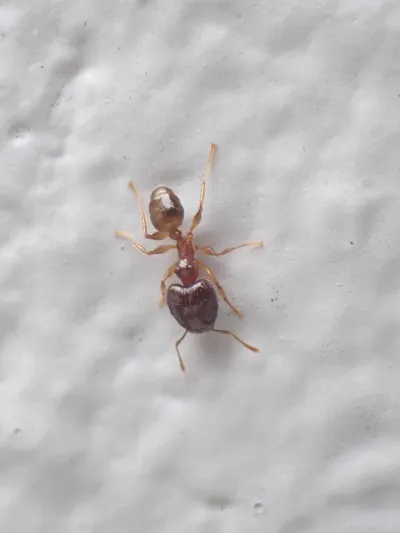
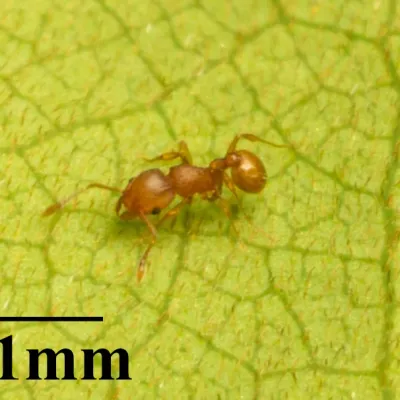
- Little fire ants (Wasmannia auropunctata): Much smaller (about 1.5 mm) and golden-yellow in color. They sting but are less aggressive and do not build visible mounds.
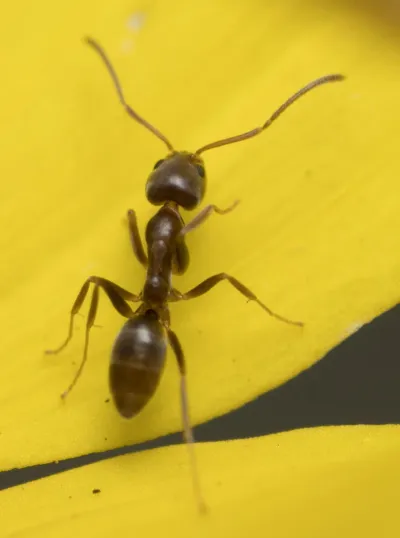
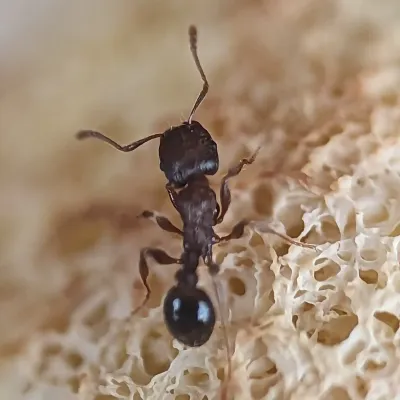
- Pavement ants (Tetramorium species): Similar dark color but smaller. They do not sting painfully and have grooved lines on the head and body visible under a hand lens.
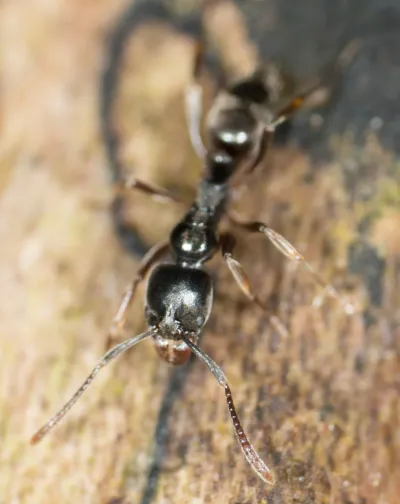
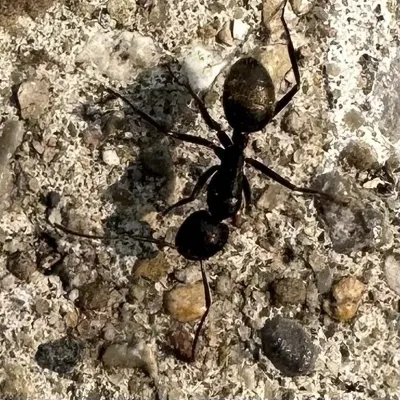
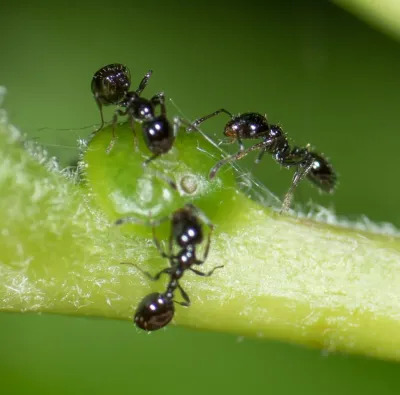
- Little black ants (Monomorium minimum): Much smaller (about 1.5 mm), jet black, and do not sting. Their colonies are small compared to the large mounds of imported fire ants.
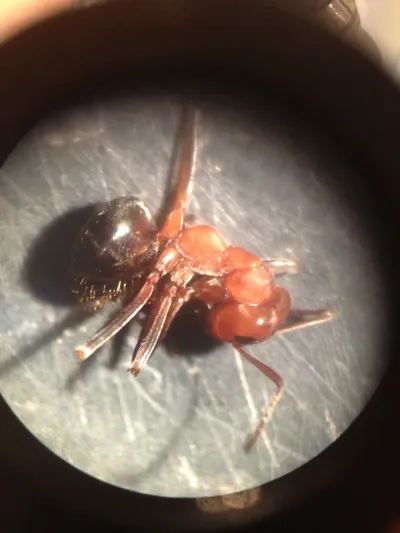
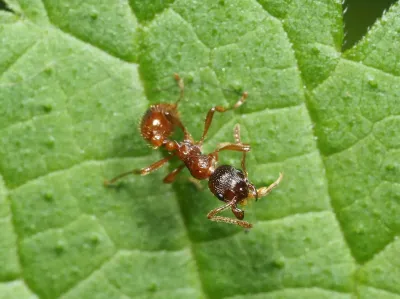
- European fire ants (Myrmica rubra): Reddish-brown and able to sting, but found in cooler northern climates. They nest under stones and logs instead of building large open mounds.
Black Imported Fire Ant Behavior and Biology
Knowing how these ants live helps explain why they are so hard to get rid of and why their stings are such a concern.
Colony Structure and Reproduction
Black imported fire ant colonies are large. A mature colony can hold tens of thousands to hundreds of thousands of workers. Like red imported fire ants, they come in two forms:
- Single-queen colonies: Each mound has one queen that lays eggs. These colonies are territorial and keep distance from other colonies.
- Multi-queen colonies: Mounds have several queens laying eggs. This allows much higher numbers. Multi-queen colonies can pack more than 1,000 mounds into a single acre.
Queens can live several years. A colony usually takes one to two years to mature. Once mature, a colony produces winged ants that fly out to mate. These mating flights happen on warm, humid days, often after rain. Most flights take place from May through August.
Stinging Behavior and Venom
Black imported fire ants attack in a coordinated way. When one stings, it first bites down with its jaws to grip the skin. Then it swings its body around and stings several times in a circle. A single ant can sting multiple times in just a few seconds.
The venom is mostly made of chemicals called solenopsins. These cause the burning pain that gives fire ants their name. Within 24 hours, stings usually form white blisters. Most people have only local pain and swelling. But about 1 to 2% of people can have serious allergic reactions. These can range from hives to life-threatening anaphylaxis.
This information is provided for educational purposes only and should not be considered medical advice. If you experience a severe reaction to fire ant stings, seek immediate medical attention.
Diet and Foraging
Black imported fire ants eat almost anything. Their diet includes:
- Live and dead insects
- Seeds and plant material
- Sweet liquid (honeydew) from aphids
- Small animals and dead animals
- Human food when they can reach it
Foraging is highest when soil temperatures are between 72 and 96 degrees Fahrenheit. In very hot or very cold weather, ants stay underground.
Impact on Ecosystems and Agriculture
Like all imported fire ants, S. richteri has harmed native ecosystems wherever it has moved in. They push out native ant species, kill ground-nesting birds and reptiles, and attack newborn livestock. They also damage farm machinery, disrupt harvesting, and nest inside electrical boxes where they cause short circuits.
Treatment Methods for Black Imported Fire Ants
Getting rid of black imported fire ants takes steady, ongoing work. Their large colonies, quick return after treatment, and ability to have multiple queens make them very hard to control. The University of Florida IFAS Extension says using several methods together gives the best results.
Broadcast Bait Applications
The most effective long-term method is spreading fire ant bait across an entire property, not just on individual mounds. Bait products contain slow-acting chemicals that workers carry back to the colony and share with other ants and queens.
Tips for effective baiting:
- Apply when ants are active, usually when soil temperatures are between 65 and 90 degrees Fahrenheit
- Use fresh bait. Fire ants will not eat stale or rancid products
- Wait for dry weather. Do not apply if rain is expected within 24 to 48 hours
- Treat the whole area, not just the mounds you can see, since many colonies are hidden underground
Individual Mound Treatments
Treating mounds you can see gives faster results. You can pour liquid drench (1 to 2 gallons per mound) to soak deep into the soil. Granular and dust products also work well. These methods are best used after baiting to take care of any mounds that are still active.
Two-Step Method
The Texas A&M AgriLife Extension recommends a two-step method for heavy infestations:
- Spread bait across the entire property to lower the overall fire ant population
- Spot-treat remaining active mounds with drenches or contact products
This approach handles both the broad population and stubborn individual colonies.
Prevention and Monitoring
Fire ants move back into treated areas quickly, so ongoing management is key:
- Check your yard often for new mounds, especially after rain
- Look over nursery plants, sod, and soil before planting to avoid bringing in colonies
- Keep treated zones around buildings and high-use areas
- Treat in spring and fall when ants are most active and foraging
Understanding Black Imported Fire Ant Distribution
The black imported fire ant has a much smaller range in North America than the red imported fire ant. According to AntWiki, confirmed populations exist only in northeastern Mississippi, northwestern Alabama, and south-central Tennessee. The red imported fire ant, by contrast, has spread across the entire southern United States from North Carolina to California.
A large hybrid zone exists where S. richteri meets S. invicta. Hybrid populations cover much of Mississippi, northern Alabama, and parts of northwestern Georgia. In these areas, the ants show mixed features from both species. Telling them apart in hybrid zones usually requires an expert or genetic testing.
Cold winters limit how far north the black imported fire ant can spread. It handles cool weather slightly better than the red imported fire ant, but for now it stays in a small geographic area. Climate change could allow it to expand into new regions over time.
References and Further Reading
- AntWiki - Solenopsis richteri: Comprehensive taxonomy, distribution maps, and hybrid zone details
- Animal Diversity Web - Solenopsis richteri: Classification, natural history, and reproductive biology
- Mississippi Entomological Museum - Solenopsis richteri: Regional distribution and ecological impacts
- University of Florida IFAS Extension - Managing Imported Fire Ants: Treatment strategies and control recommendations
- Texas A&M AgriLife Extension - Fire Ant Identification: Identification guides and the two-step control method
- CDC/NIOSH - Protecting Workers from Fire Ant Stings: Health guidance for fire ant sting exposure
Other Ants
Explore other species in the ants family
Commonly Confused With
Black Imported Fire Ants are often mistaken for these similar pests
Where Black Imported Fire Ants Are Found
Hover over states to see their names. Green regions indicate where black imported fire ants have been reported.
Common Questions about Black Imported Fire Ants
How can I tell black imported fire ants from red imported fire ants?
+
The most visible difference is color. Black imported fire ants have a dark brown to black body overall, while red imported fire ants have a reddish-brown head and thorax with a darker abdomen. However, the two species are closely related and hybridize where their ranges overlap. Definitive identification often requires expert examination of subtle head shape differences or genetic testing.
Where are black imported fire ants found in the United States?
+
Black imported fire ants have a much more limited range than red imported fire ants. They are primarily found in northeastern Mississippi, northwestern Alabama, and south-central Tennessee. A broad hybrid zone with the red imported fire ant extends south and east of this core range.
Are black imported fire ant stings dangerous?
+
Yes. Like red imported fire ants, black imported fire ants deliver painful stings that cause a burning sensation followed by white pustules within 24 hours. Approximately 1-2% of people may experience severe allergic reactions, including anaphylaxis, which requires immediate medical attention.
What does a black imported fire ant mound look like?
+
Their mounds resemble those of red imported fire ants: dome-shaped piles of worked soil, typically 10 to 24 inches in diameter and up to 18 inches high. Like other imported fire ants, these mounds usually have no visible entrance hole on top. They are most commonly found in sunny, open areas like lawns, pastures, and roadsides.
How did black imported fire ants get to the United States?
+
Black imported fire ants are native to South America, primarily northern Argentina, Uruguay, and southern Brazil. They were accidentally introduced to the southeastern United States in the early 20th century, likely arriving through the port of Mobile, Alabama, on cargo ships.
What do black imported fire ants eat?
+
Black imported fire ants are omnivorous and opportunistic feeders. Their diet includes live and dead insects, seeds, plant material, honeydew produced by aphids, and human food sources when available. They are aggressive predators that can overwhelm small animals and ground-nesting wildlife.
Can black imported fire ants damage my property?
+
Yes. Their large mounds can damage lawn equipment and create tripping hazards. They also nest inside electrical equipment, causing short circuits in air conditioners, utility boxes, and traffic signal housings. Their mounds can displace soil under pavement and foundations, causing localized structural issues.

With five years of hands-on experience in the pest control industry, George Schulz is a registered technician with the Virginia Pest Management Association and a proud third-generation professional in a family business that's been protecting homes for over 57 years. He manages and trains a team of service pros while also leading internal research efforts—recently spearheading a deep-dive review of thousands of documents on pest control materials to hand-pick the most kid and pet friendly, most effective solutions tailored specifically for homes in the DC metro area.