Takoma Park Mosquito Control
Take back your yard from creek-corridor mosquitoes with targeted treatments, reduced-risk products, and no binding contracts






Family Owned
57 years of experience serving local homes with pets and kids.
Lower Risk Products
Our research team picked materials better for the planet & your home
No Contracts
We don't lock you in with paperwork. Stay because it works.
Mosquito Control Built for Takoma Park's Stream Valleys
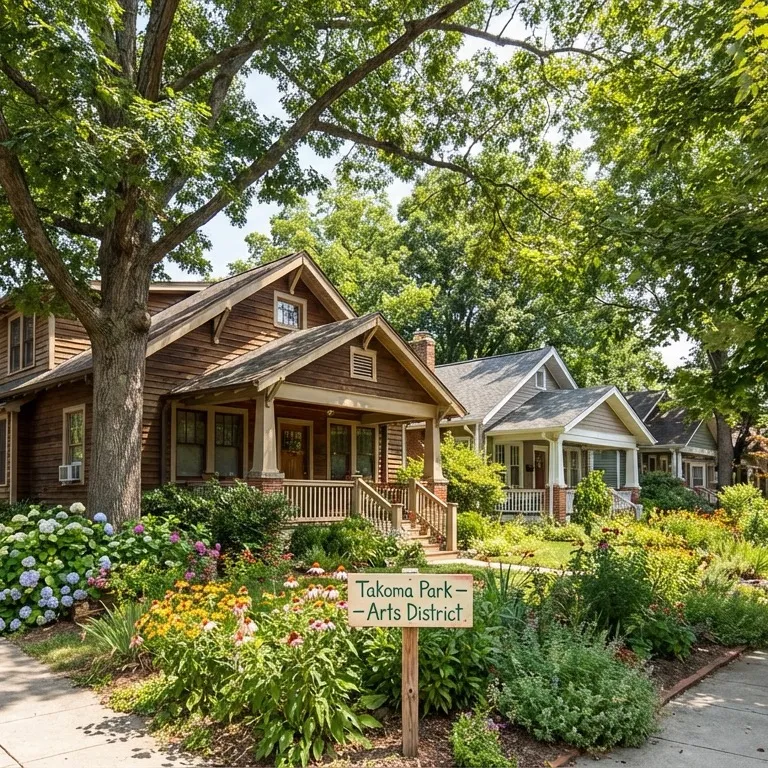
Takoma Park is surrounded by water. Sligo Creek and Long Branch cut through the city from opposite sides, creating miles of shaded stream valley where mosquitoes breed from April through October. Add in the city's protected hardwood tree canopy, Victorian-era homes with older drainage, and humid summers that push 87°F, and you've got one of the toughest mosquito environments in Montgomery County.
Better Termite & Pest Control has served Montgomery County families since 1968. Our research team removed 9 harsh chemicals from our programs and chose reduced-risk products like Essentria and EcoVia instead. Whether you live in Old Takoma, Between the Creeks, Hillwood Manor, or Pinecrest, we know what drives mosquito problems on your property and treat based on your specific situation.
Every Takoma Park mosquito control plan includes unlimited callbacks at no extra cost. If mosquitoes come back between scheduled visits, so do we. No binding contracts. Call 703-683-2000 and talk directly with a licensed technician about your property.
Get a Free Quote
Choose the option that works best for you
Option 1: Call a Licensed Tech


Option 2: Submit Your Info to our Team
How Takoma Park Mosquito Control Works
We start with a full property inspection. Our licensed technicians identify every breeding source and resting area on your lot. In Takoma Park, that means checking drainage along Sligo Creek and Long Branch corridors, leaf litter trapped under the heavy canopy of mature oaks and maples, standing water in bird baths and rain barrels, clogged gutters on 1920s-era bungalows, and forgotten planters on porches.
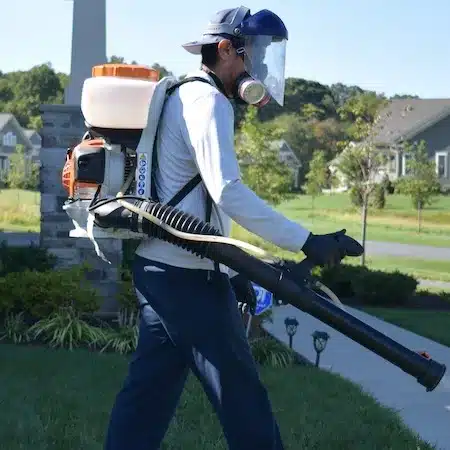
We then use backpack sprayers to apply a targeted mix of adulticide for fast knockdown and growth regulator to break the mosquito lifecycle. We focus on shrub lines, porch undersides, eave overhangs, and the thick vegetation where mosquitoes hide during the day. We treat where mosquitoes actually live, not your entire yard.
Each monthly visit builds on the last to create layered protection. If activity picks up after a summer storm or humid stretch, just call us. We'll come back between visits at no extra cost.
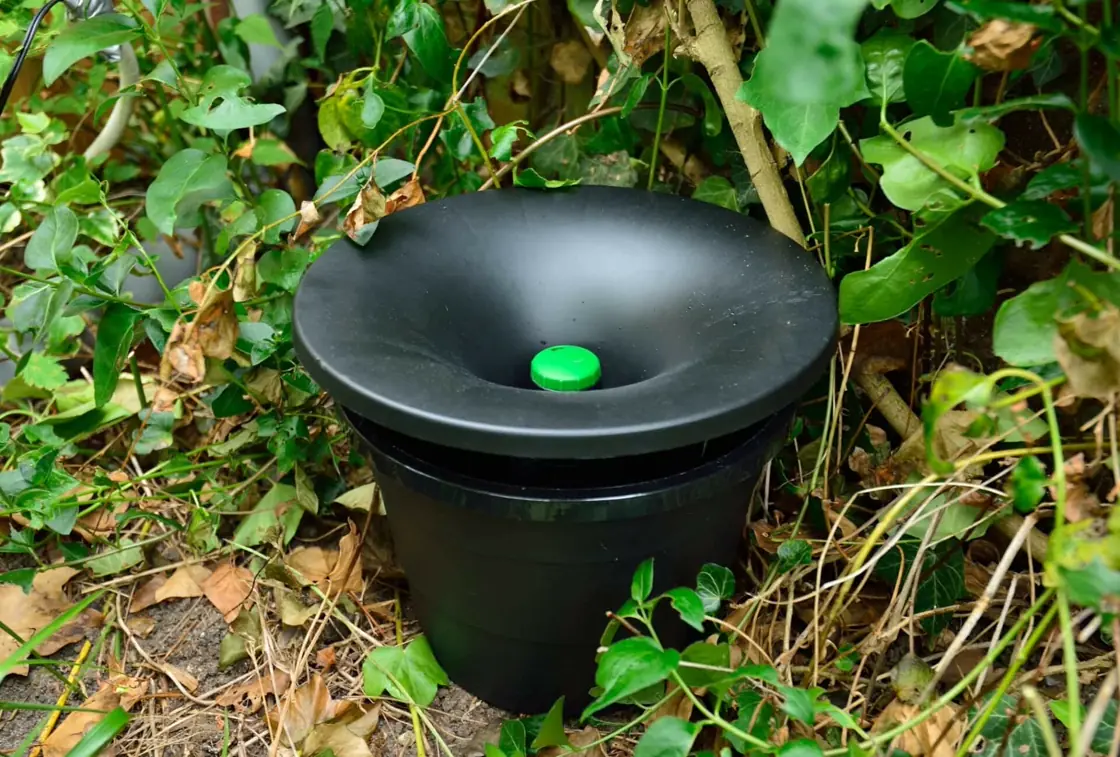
In2Care: Mosquito Control That Spreads Itself
Two creek corridors push mosquitoes into Takoma Park neighborhoods from opposite directions. Spray-only programs can't reach every breeding source hidden in those wooded stream valleys. In2Care turns mosquitoes into the delivery system.
We place stations in shaded areas around your property. Egg-laying females are drawn to the water inside. When they land, they pick up larvicide and a fungal agent from treated gauze strips. Those mosquitoes then spread the material to other water sources across your property and into neighboring areas, reaching hidden spots along Sligo Creek and Long Branch that no technician could find.
Why In2Care Works Well in Takoma Park
- Auto-dissemination reaches breeding sites in stream valleys and wooded corridors beyond your property line
- Targets both adult mosquitoes and developing larvae in a single system
- Works continuously between technician visits with no repeated spraying
- Complements barrier sprays to provide dual-layer protection through the entire season
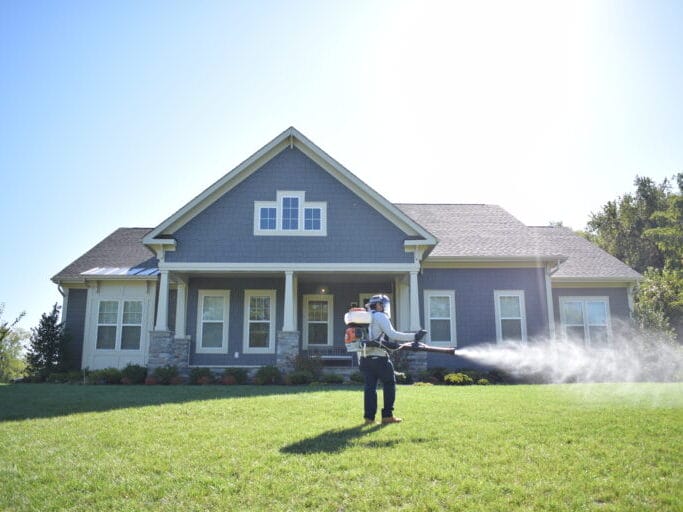
Targeted barrier sprays along the dense shade and creek corridors that define Takoma Park neighborhoods
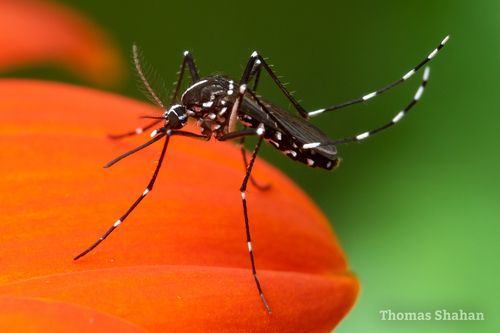
Asian tiger mosquitoes bite aggressively during daylight hours and thrive under Takoma Park's heavy tree canopy
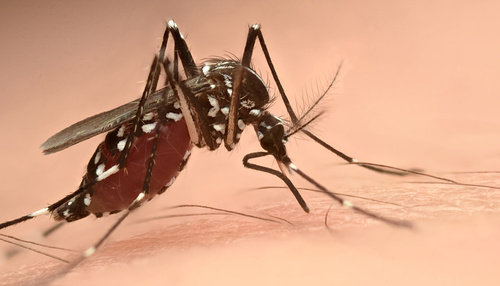
Asian tiger mosquitoes breed in containers as small as a bottle cap, making Takoma Park's older yards ideal habitat
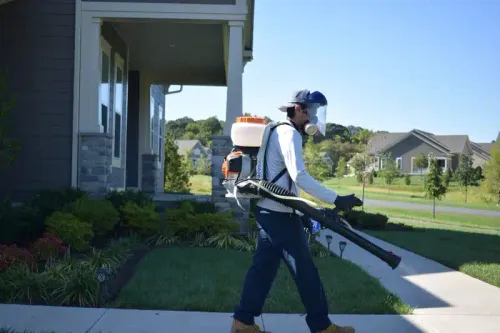
Monthly barrier sprays build layered protection through the entire April-to-October mosquito season
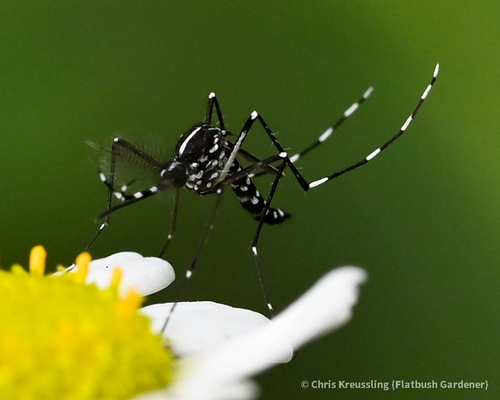
Takoma Park's status as a Tree City creates the shaded, humid conditions mosquitoes prefer for daytime resting
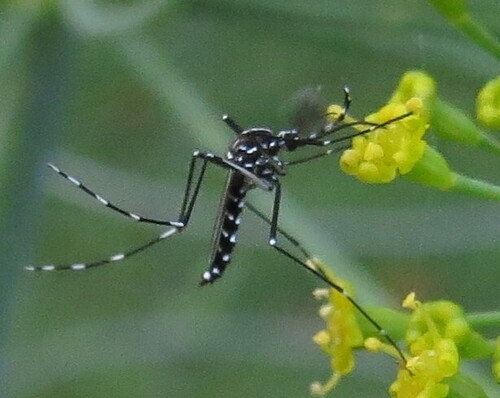
Sligo Creek and Long Branch push mosquito populations directly into Takoma Park residential areas from two directions

Takoma Park Tick Control for Stream Valley Properties
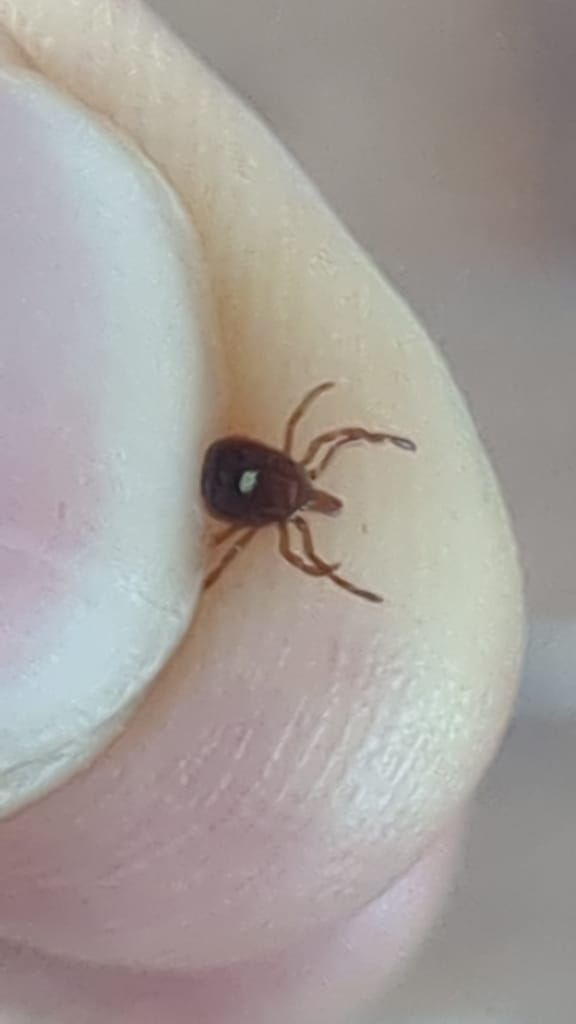
Takoma Park's wooded stream valleys along Sligo Creek and Long Branch put tick habitat directly next to residential yards. Homes in Hillwood Manor, Between the Creeks, and properties backing up to Sligo Creek Trail face the strongest tick pressure. Lyme disease is a real concern across Montgomery County.
Our tick program uses granular treatments in spring and fall when tick populations spike. From April through October, we spray along the edge where your mowed lawn meets natural woodland. That border is where most tick encounters with people and pets happen.
Tick Control Strategy
- Spring and fall granular treatments during peak tick activity windows
- Ecotone spray along lawn-to-woods transition zones where exposure is highest
- Damminix Tick Tubes that target ticks through the mouse-tick lifecycle
- All products vetted by our research team for effectiveness and reduced environmental impact
Why Takoma Park Has Heavy Mosquito Pressure
Takoma Park was built as a railroad suburb in the 1880s and is one of the oldest communities in Montgomery County. The city's protected hardwood tree canopy earned it Tree City USA designation, but that same canopy creates the shaded, humid microclimate mosquitoes depend on. Sligo Creek runs through the east side with 9 miles of parkland trail, and Long Branch crosses the southern portion. The Between the Creeks neighborhood sits right between both waterways.
The Asian tiger mosquito is the most aggressive species here. It bites during the day and breeds in containers as small as a bottle cap, making the leaf litter, decorative water features, and old gutters on Takoma Park's Victorian and Craftsman homes ideal breeding territory. The common house mosquito comes out at dusk and breeds in larger water sources. Montgomery County health officials find West Nile Virus in local mosquitoes each summer.
Takoma Park's hilly terrain sits on the fall line, which means intense summer storms cause rapid creek rises. A recent flash flood event sent Sligo Creek up 10 feet in 30 minutes. That kind of flooding creates standing water in yards, basements, driveways, and depressions throughout the area. With about 42 inches of annual rainfall and summer humidity regularly above 70%, mosquito populations rebuild fast after every treatment. Consistent, layered applications are the only way to keep them under control through the season.
Your Takoma Park Mosquito Control Schedule
March: We apply larvicide and granular tick treatments before mosquito season starts. Treating early, before temperatures stay above 50°F, gives you a head start on the whole season.
April through October: Monthly barrier sprays cover foliage, building edges, and shaded resting spots. Each visit builds on the last. Homes near Sligo Creek, Long Branch, or in Between the Creeks may need visits every 3 weeks during peak summer.
November: Final granular tick treatment and tips to prepare your property for winter. Cutting down on overwintering populations means fewer mosquitoes when spring returns.
After Every Visit
We email you a report listing what we did and which products we used. If mosquito activity picks up between visits, call us for a free retreat. You never pay extra to get the results you signed up for.
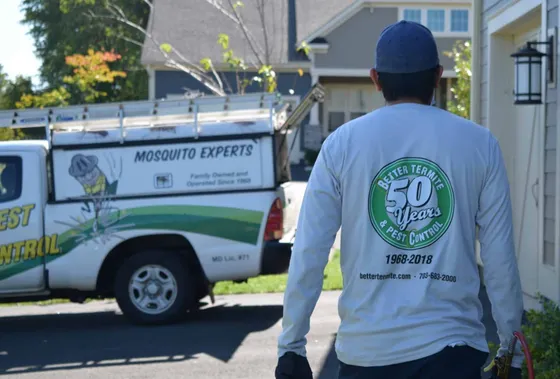
Bundle Mosquito Control with Year-Round Protection
Most Takoma Park homeowners deal with more than just mosquitoes. The same creeks and woods that breed mosquitoes also bring ticks, ants, spiders, and rodents into your foundation, crawlspace, and eaves. Victorian bungalows in Old Takoma, garden apartments along Maple Ave, and homes in Hillwood Manor all have their own pest challenges.
Our SeasonGuard+ program puts mosquito control, tick prevention, Sentricon termite monitoring, and general pest management into one monthly plan starting at $95/month. You get 9 visits per year, one bill, and unlimited callbacks for any covered pest.
What SeasonGuard+ Covers
- Monthly mosquito barrier sprays from April through October
- Spring and fall granular tick treatments plus Damminix Tick Tubes
- Sentricon termite baiting system with annual inspection
- Coverage for 35 common local pests including ants, spiders, crickets, and mice
- Unlimited callbacks for any covered pest between scheduled visits
What Takoma Park Area Homeowners Are Saying
 1,100+ 5 Star Reviews on Google
 "I love Darren over at Better Termite. He is always so attentive and kind, and really goes, IMO, out of his way to do a fantastic job. And I am so happy that I had NO MOSQUITOES this summer in my backyard in spite of the fact that there is a drainage area right behind my house, and that is 100% because of Better Termites services."
"We had a bad cockroach problem - we knew it was bad because of all the baby cockroaches we spotted. It took a while but Better Termite ultimately solved it and our house is cockroach free. Fortunately their customer service, Cindy in particular, was quick to help out and made it pain free."
"I've had nothing but great experiences for 3 years now. Their consistent, reliable service really stands out for me, and everyone is always kind and easy to talk to. Kamaal is fantastic—he really listens to my concerns and works with me to come up with the best plan for whatever pest issues I'm dealing with."
"As a small, family owned business, they are able to personalize their approach based on your needs. It's clear that they prioritize customer service and communication. We recently had a swarm of a stinging insect take shelter under our ground-level deck, and they researched, bought necessary equipment, and came up with the best way to treat it."
"Better Termite uses pet-friendly, but not spider-friendly products, and we are now creepy crawly-free! Over the years, they've also tackled ants, bees, and HORRIBLE paper wasps! Cindy and Darren are awesome to work with, and really know their stuff!"
"I love Darren over at Better Termite. He is always so attentive and kind, and really goes, IMO, out of his way to do a fantastic job. And I am so happy that I had NO MOSQUITOES this summer in my backyard in spite of the fact that there is a drainage area right behind my house, and that is 100% because of Better Termites services."
"We had a bad cockroach problem - we knew it was bad because of all the baby cockroaches we spotted. It took a while but Better Termite ultimately solved it and our house is cockroach free. Fortunately their customer service, Cindy in particular, was quick to help out and made it pain free."
"I've had nothing but great experiences for 3 years now. Their consistent, reliable service really stands out for me, and everyone is always kind and easy to talk to. Kamaal is fantastic—he really listens to my concerns and works with me to come up with the best plan for whatever pest issues I'm dealing with."
"As a small, family owned business, they are able to personalize their approach based on your needs. It's clear that they prioritize customer service and communication. We recently had a swarm of a stinging insect take shelter under our ground-level deck, and they researched, bought necessary equipment, and came up with the best way to treat it."
"Better Termite uses pet-friendly, but not spider-friendly products, and we are now creepy crawly-free! Over the years, they've also tackled ants, bees, and HORRIBLE paper wasps! Cindy and Darren are awesome to work with, and really know their stuff!"
Serving Takoma Park & Surrounding Communities
Proudly serving Old Takoma, Between the Creeks, Hillwood Manor, Hodges Heights, Pinecrest, Maple Ave, New Hampshire Gardens, Long Branch, and surrounding Montgomery County neighborhoods since 1968.