Crofton Mosquito Control
Take back your backyard from mosquitoes with monthly treatments from a family-owned company serving your area since 1968






Family Owned
57 years of experience serving local homes with pets and kids.
Lower Risk Products
Our research team picked materials better for the planet & your home
No Contracts
We don't lock you in with paperwork. Stay because it works.
Why Crofton Homes Need Mosquito Control
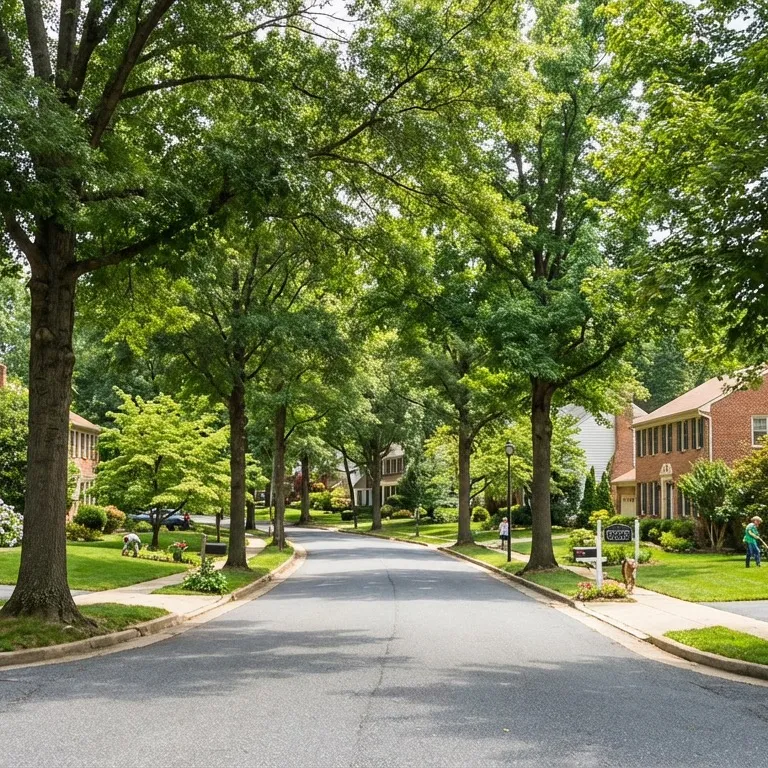
Crofton sits right in the Patuxent River basin, surrounded by streams, stormwater ponds, and the irrigated fairways of two golf courses. That means your backyard faces heavier mosquito pressure than most suburbs. The humid Anne Arundel County summers make it worse, with standing water collecting in retention basins throughout neighborhoods like Walden, Crofton Meadows, and Charing Cross.
Better Termite & Pest Control has been handling exactly this kind of problem since 1968. Our Crofton mosquito control programs combine monthly barrier sprays with growth regulators and optional In2Care stations to knock down adult mosquitoes and prevent the next generation from hatching.
We use products like Essentria and EcoVia that passed our internal research team's review. We've eliminated 9 of the harshest chemicals common in the industry, choosing materials we'd use around our own families. No binding contracts, unlimited callbacks, and plans starting at $95/month.
Get a Free Quote
Choose the option that works best for you
Option 1: Call a Licensed Tech


Option 2: Submit Your Info to our Team
How Crofton Mosquito Treatment Works
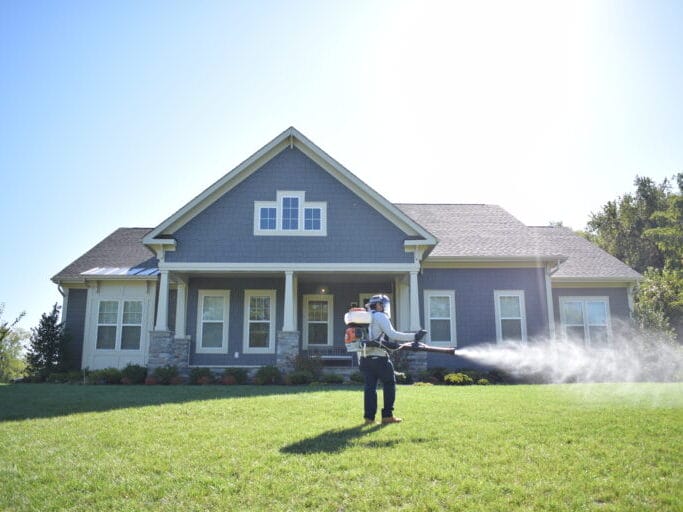
Our technicians arrive with backpack mist blowers loaded with an adulticide mixed with an Insect Growth Regulator (IGR). The adulticide provides immediate knockdown, reducing mosquito populations by over 50% within 24 hours. The IGR disrupts larvae development so the next generation never reaches biting age.
We spray shaded foliage, ivy beds, brush piles, and the ecotone where your landscaping meets natural terrain. In Crofton, that often means treating around the wooded edges near Crofton Parkway and along the stream corridors that run between neighborhoods.
Larvicide goes into standing water that can't be eliminated, including ornamental ponds, drainage swales, and rain barrel overflow areas. After each visit, you receive a detailed email report documenting exactly what products were used and where they were applied.
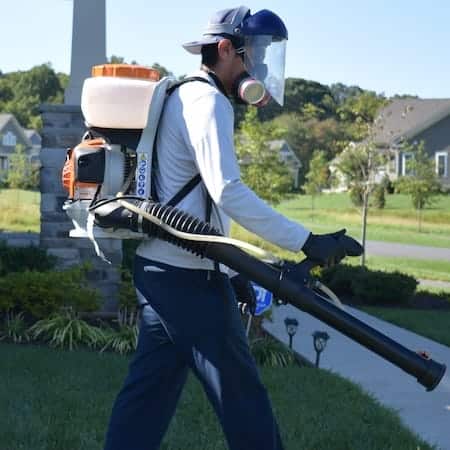
In2Care Mosquito Stations for Crofton Yards
For homeowners who prefer a no-spray approach, the In2Care system delivers effective mosquito control through strategically placed stations. Adult mosquitoes enter the station seeking a resting spot, contact treated gauze strips, and become carriers of larvicide and a biological fungus.
When these contaminated mosquitoes fly to other breeding sites throughout your neighborhood, they transfer the agents to locations our technicians can't reach directly. This creates a multiplying effect that extends mosquito control well beyond your property line. For Crofton properties near the golf course ponds or Patuxent watershed tributaries, this extended reach is especially valuable.
In2Care stations require monthly maintenance from April through October. The system works as a standalone program or pairs with traditional barrier sprays for maximum coverage.
Why Crofton Homeowners Choose In2Care
No widespread spraying across your property. Continuous population suppression that works 24/7 between service visits. And the system protects pollinators while specifically targeting mosquitoes. Many families along Crofton Parkway and in the Meadows community choose In2Care for its low-profile, low-impact approach.
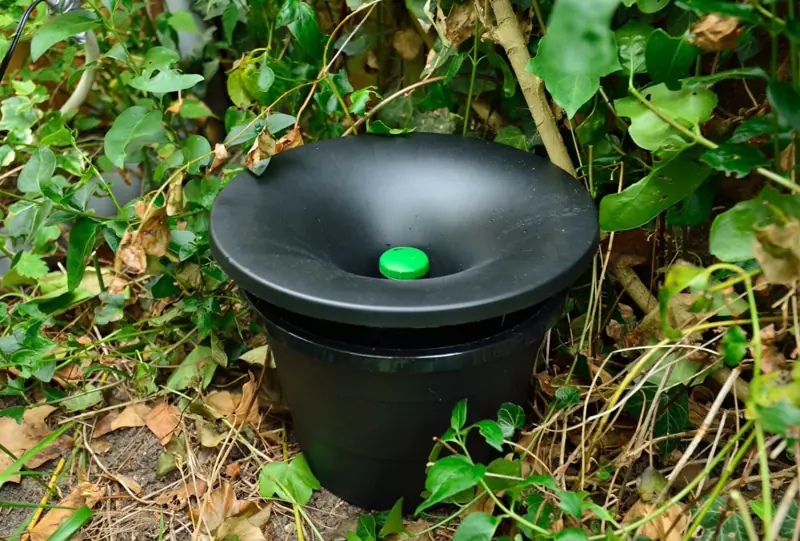
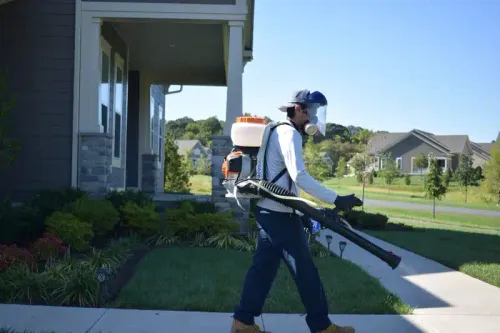
Our technicians use backpack sprayers to create protective barriers around Crofton properties
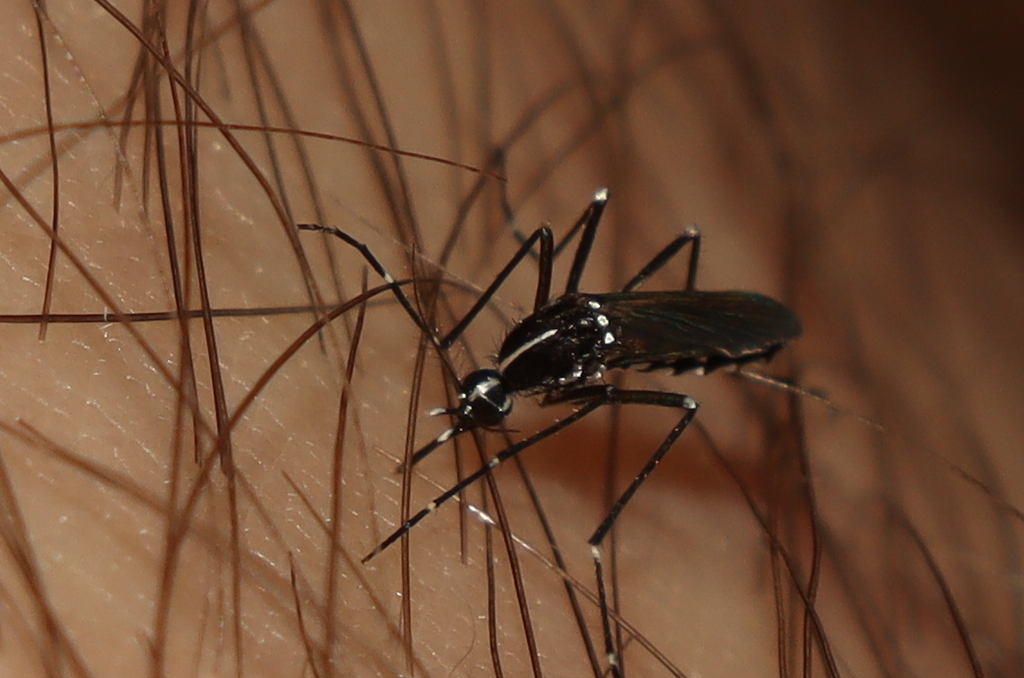
The Asian tiger mosquito (Aedes albopictus) is one of the most common species in Crofton yards
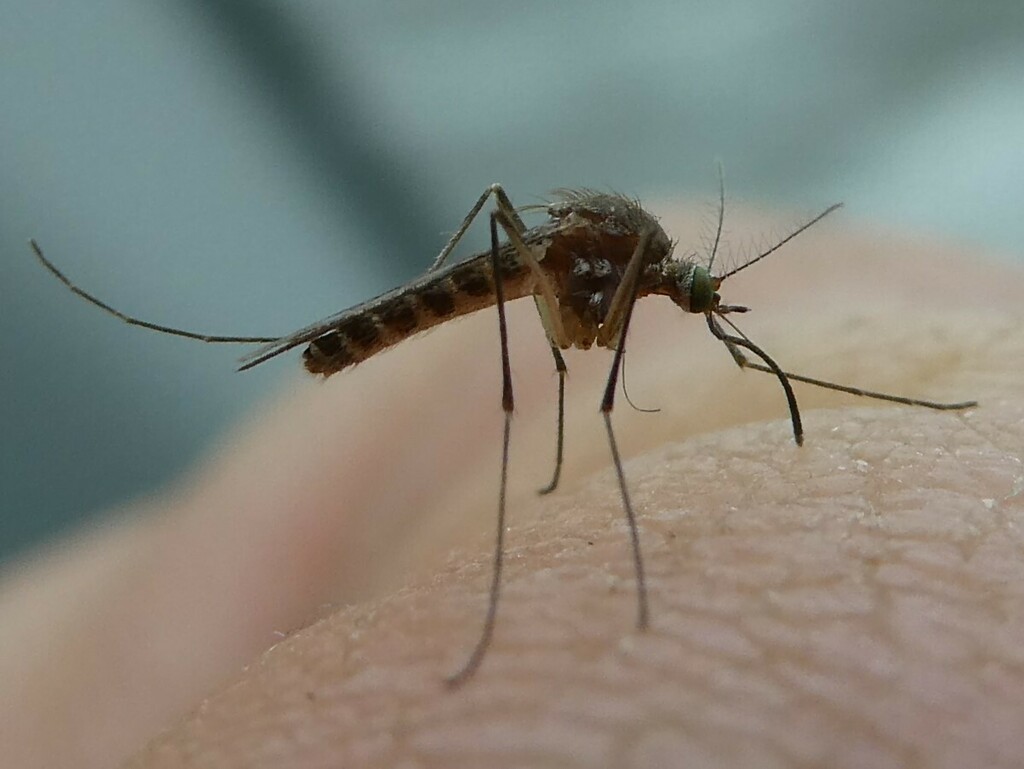
Mosquitoes in the Crofton area are aggressive biters during warm humid months
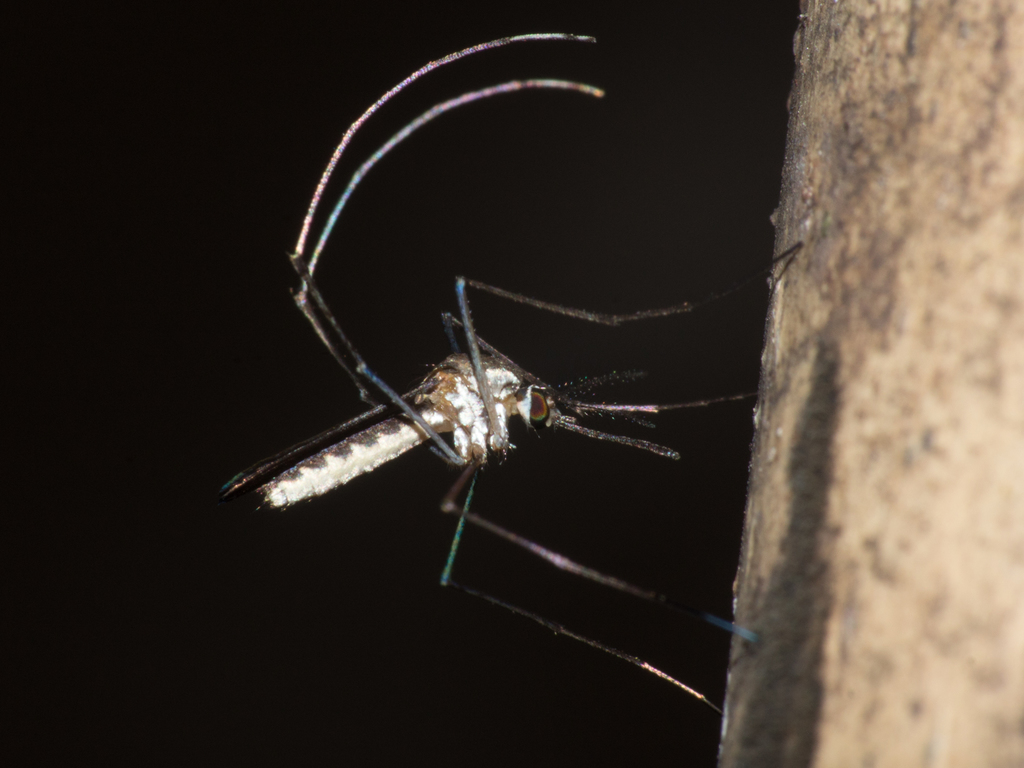
Mosquitoes rest in shaded foliage and vegetation during daylight hours
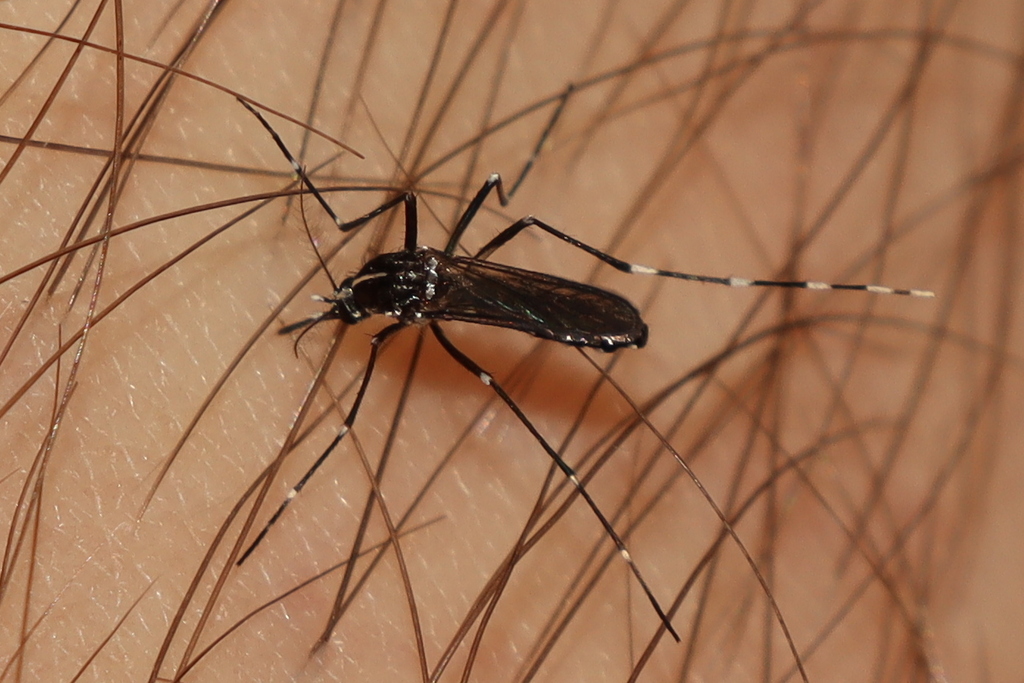
Tiger mosquitoes thrive near the streams and retention ponds throughout Crofton

Tick Treatment for Crofton Properties
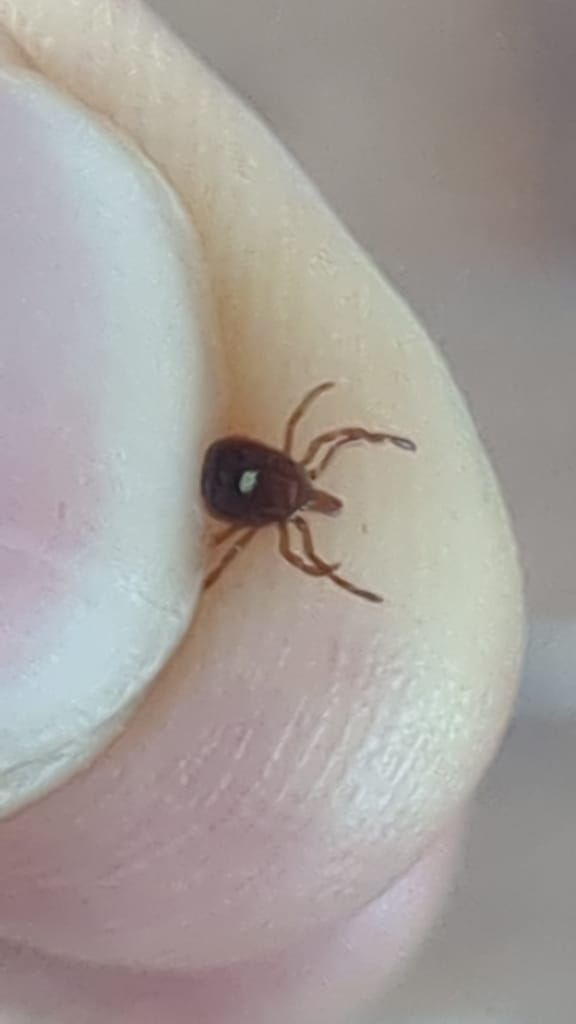
Crofton's wooded stream corridors, golf course edges, and park trails create prime tick habitat. The black-legged tick (deer tick) and American dog tick are both active in the area, carrying diseases including Lyme disease.
Our tick program starts with a March granular application that targets ticks emerging from winter dormancy. From April through October, we apply topical sprays along the ecotone where your lawn meets wooded areas. A final November granular treatment catches the fall adult tick surge.
We also deploy Damminix Tick Tubes containing permethrin-infused cotton balls. Mice collect the cotton for nesting material, and young ticks feeding on those mice are killed before they can develop further. This breaks the tick lifecycle at a critical point.
Bundled Mosquito and Tick Protection
Our LawnShield program handles both mosquitoes and ticks in one monthly service. For Crofton homeowners near Crofton Park, the Linthicum Walks area, or properties bordering the South River watershed headwaters, bundled protection covers the full range of outdoor pests.
Why Mosquitoes Thrive in Crofton
Crofton's planned-community design created a unique mosquito challenge. The neighborhood sits within both the Little Patuxent and South River watersheds. Streams, stormwater retention ponds, and golf course water features surround residential areas on all sides, providing abundant breeding habitat.
The Asian tiger mosquito (Aedes albopictus) dominates Crofton yards. This aggressive species bites throughout the day, not just at dawn and dusk. It breeds in containers as small as a bottle cap, making the many gutters, bird baths, and drainage features in Crofton neighborhoods perfect nurseries. The Northern house mosquito (Culex pipiens) adds to the problem, becoming active during evening hours.
Anne Arundel County's humid summers, with average July temperatures in the mid-80s and frequent rainfall from May through August, create the ideal conditions for explosive mosquito population growth. That's why Crofton mosquito control requires consistent monthly treatment rather than one-time applications.
Our Crofton Treatment Process
Every program begins with a thorough site survey. Our licensed technician walks your property identifying breeding sites, resting areas, and drainage issues specific to your lot. In Crofton, this often includes checking for pooling near stormwater drains, inspecting the tree canopy around Crofton Parkway-facing yards, and evaluating proximity to stream corridors.
After the survey, we build a treatment plan tailored to your property. Monthly spray treatments run April through October. We hit the vegetation and yard perimeter with our backpack mist blowers, apply larvicide to standing water sources, and check any In2Care stations if installed.
Unlimited callbacks mean we come back between scheduled visits at no extra charge. If you're hosting a barbecue or your kids' birthday party and mosquitoes pick up, one call to our office gets a technician back out. After every visit, you receive an email documenting exactly what was done and which products were applied.
What Happens After the First Treatment
Most Crofton homeowners see a significant reduction in mosquito activity within 24 to 48 hours of the initial spray. Follow-up visits maintain that baseline throughout the season. Our technicians adjust treatment intensity based on weather patterns, rainfall amounts, and mosquito pressure levels specific to your area of Crofton.
Seasonal Mosquito Control Schedule
March kicks off with granular tick applications before mosquito season begins. This gets ahead of the early spring tick surge that hits Crofton's wooded edges and trail areas around Crofton Park and the Linthicum Walks arboretum.
April through October brings monthly mosquito spray treatments. Each visit includes barrier treatment of foliage, larvicide application, and In2Care station maintenance if applicable. During peak summer months (June through August), our technicians pay extra attention to the heavy vegetation and water features common across Crofton neighborhoods.
November wraps up with a final granular tick treatment targeting the fall adult tick surge. We also provide recommendations for yard cleanup that reduces overwintering mosquito and tick habitat heading into the next season.
Flexible Programs Without Binding Contracts
All our Crofton mosquito control programs are contract-free. Cancel anytime with 30 days' notice if you're not happy. You can start any month during mosquito season and we'll adjust your treatment calendar accordingly. Bundling with termite monitoring or general pest control saves money while covering multiple threats.
What Crofton-Area Homeowners Are Saying
 1,100+ 5 Star Reviews on Google
 "I love Darren over at Better Termite. He is always so attentive and kind, and really goes, IMO, out of his way to do a fantastic job. And I am so happy that I had NO MOSQUITOES this summer in my backyard in spite of the fact that there is a drainage area right behind my house, and that is 100% because of Better Termites services."
"I've had nothing but great experiences for 3 years now. Their consistent, reliable service really stands out for me, and everyone is always kind and easy to talk to. I also like that they're a local, family-run business... Kamaal is fantastic—he really listens to my concerns and works with me to come up with the best plan for whatever pest issues I'm dealing with."
"Better Termite has been keeping our house bug free for years with regular perimeter treatments. As a small, family owned business, they are able to personalize their approach based on your needs. It's clear that they prioritize customer service and communication. We recently had a swarm of a stinging insect take shelter under our ground-level deck, and they researched, bought necessary equipment, and came up with the best way to treat it. Highly recommend!"
"I want to take a moment to recognize the exceptional service I received from Mr. Hussam. From the start, he was highly professional, personable, and attentive to my needs. What truly stood out was his ability to recall our previous conversations, making the experience feel personalized and valued."
"I love Darren over at Better Termite. He is always so attentive and kind, and really goes, IMO, out of his way to do a fantastic job. And I am so happy that I had NO MOSQUITOES this summer in my backyard in spite of the fact that there is a drainage area right behind my house, and that is 100% because of Better Termites services."
"I've had nothing but great experiences for 3 years now. Their consistent, reliable service really stands out for me, and everyone is always kind and easy to talk to. I also like that they're a local, family-run business... Kamaal is fantastic—he really listens to my concerns and works with me to come up with the best plan for whatever pest issues I'm dealing with."
"Better Termite has been keeping our house bug free for years with regular perimeter treatments. As a small, family owned business, they are able to personalize their approach based on your needs. It's clear that they prioritize customer service and communication. We recently had a swarm of a stinging insect take shelter under our ground-level deck, and they researched, bought necessary equipment, and came up with the best way to treat it. Highly recommend!"
"I want to take a moment to recognize the exceptional service I received from Mr. Hussam. From the start, he was highly professional, personable, and attentive to my needs. What truly stood out was his ability to recall our previous conversations, making the experience feel personalized and valued."
Frequently Asked Questions
Serving Crofton, Gambrills & Odenton
Family-owned mosquito control for Anne Arundel County since 1968. Call or visit us today.