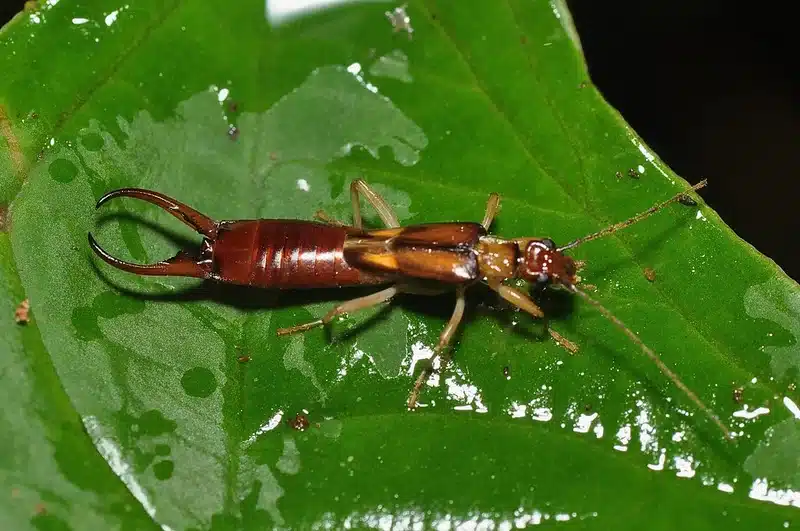

Earwigs on your bathroom floor at night? These reddish-brown insects with pincer-like tails look scary, but how to kill earwigs is simpler than you think. After four years in pest control and 50+ years as a family business in the DMV area, I’ve handled plenty of earwig problems.
One earwig that wandered inside is different from dozens in your garden beds. Here’s how to handle both.
Understanding Earwig Biology and Behavior
Earwigs belong to the order Dermaptera, and here in the Mid-Atlantic region, we primarily deal with the European earwig. Adults measure about half an inch to an inch long and have those distinctive forceps-like pincers called cerci. Males have more curved pincers, while females have straighter ones.
These nocturnal creatures are actually omnivores. They’ll munch on soft-bodied insects like aphids, but they also enjoy decaying organic matter, seedlings, and flower petals. During the day, they hide under mulch, stones, leaf litter, or any damp, dark spot they can find.
Earwigs need moisture to survive. Without it, they dry out and die fast. This is why fixing moisture problems around your home is the most effective earwig control step you can take.
Diagnosing Earwig Infestations and Damage
Before you can figure out how to kill earwigs, you need to confirm they’re actually the problem. Earwig damage has some telltale signs that set it apart from other garden pests.
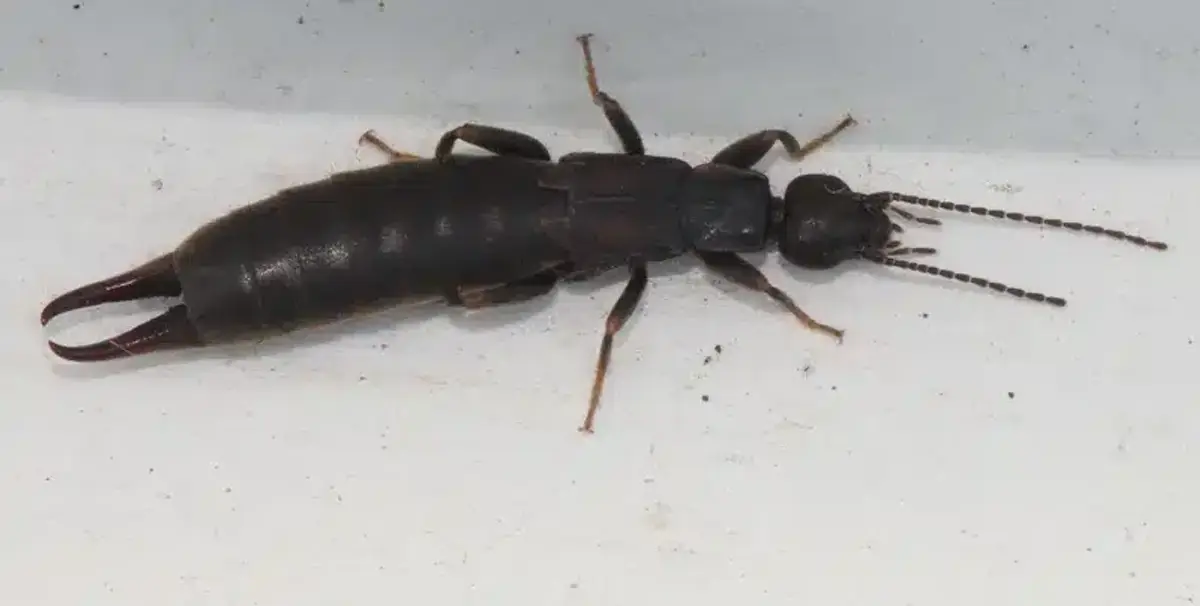
Look for irregular holes chewed in leaves without any slime trails. Slugs leave slime, but earwigs don’t. On corn, you’ll notice missing kernels near the tips along with chewed silk. Soft fruits like strawberries and raspberries develop shallow, jagged cavities.
The best way to catch them in the act is with a flashlight inspection after dark. Earwigs are most active at night, so that’s when you’ll spot them feeding. During peak season in Virginia, Maryland, and DC - typically July through August - you might find dozens clustered under a single piece of mulch or garden debris.
Why You Need to Know How To Kill Earwigs
Earwigs don’t pose health risks. The myth about them crawling into ears is false. Their pincers are too weak to hurt you.
But large populations can wreck flower gardens. I’ve seen earwigs completely shred zinnia and dahlia blooms overnight. They also damage young seedlings by clipping them off at ground level, which can ruin an entire vegetable garden planting.
Additionally, earwigs release aggregation pheromones that attract more earwigs to the same areas. So that one earwig you ignore today could signal dozens more to join the party. Early intervention prevents small problems from becoming big headaches.
How To Kill Earwigs: Single Invader Methods
When you spot a single earwig inside your house, quick action is your best bet. These individuals usually wandered in accidentally and don’t represent a larger infestation.
The simplest approach is mechanical removal. Grab a vacuum cleaner and suck up the earwig immediately. Seal the vacuum bag right away and dispose of it outside. This prevents any chance of the earwig escaping back into your home.
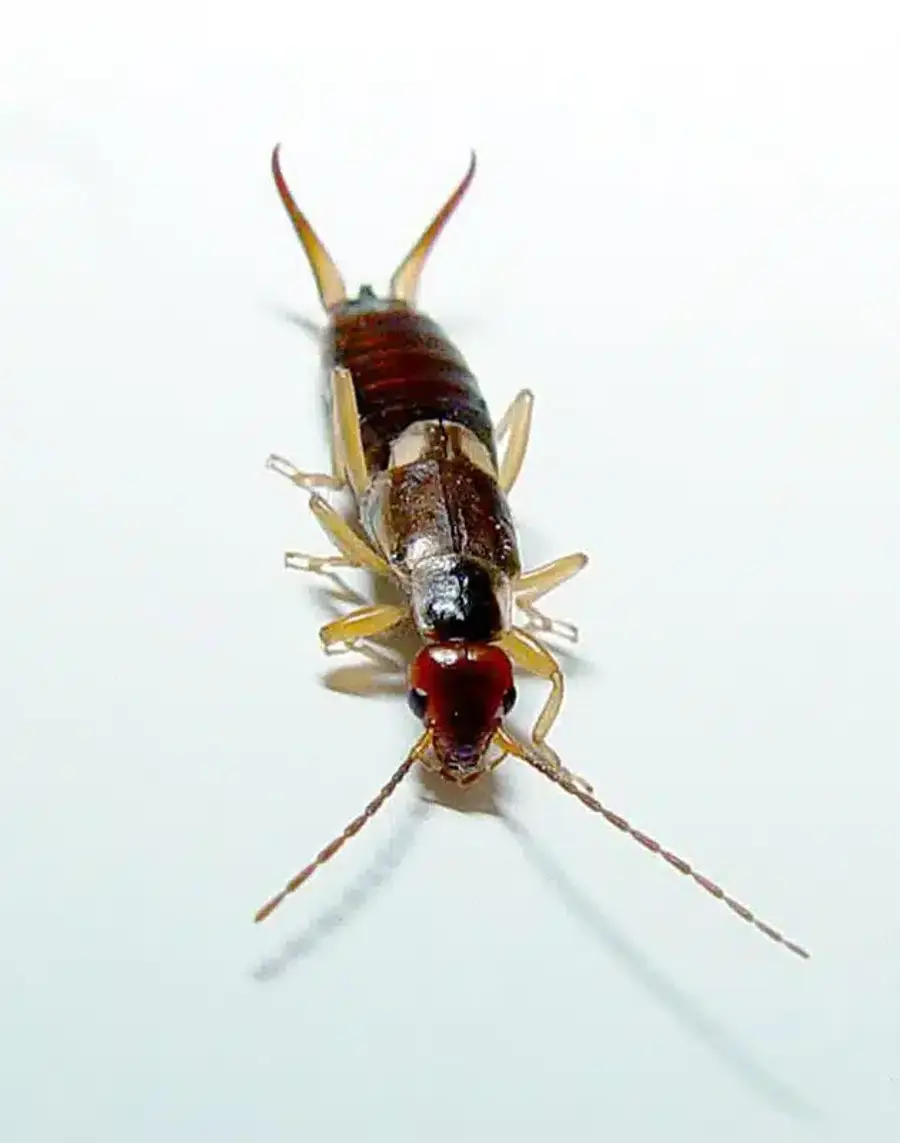
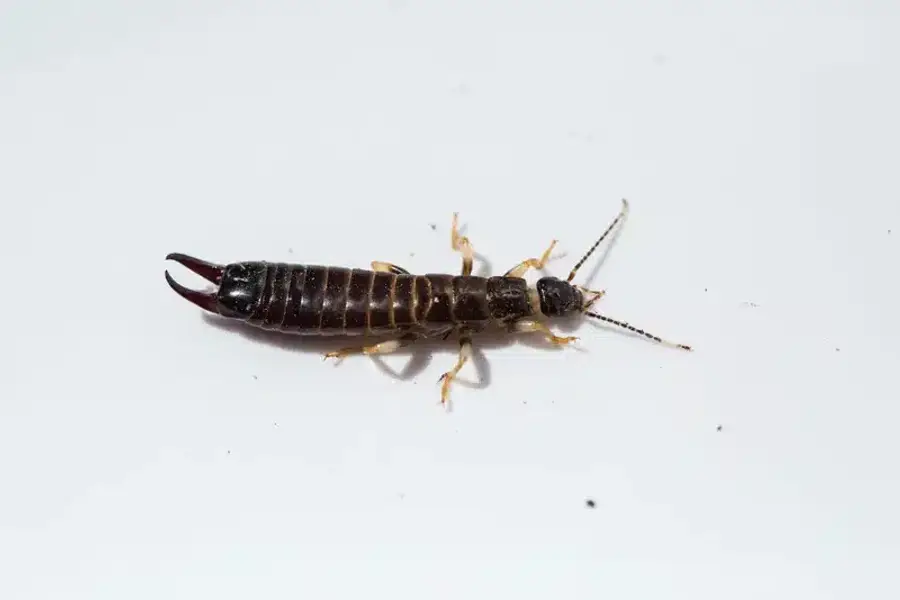
If you don’t have a vacuum, use a broom or crush it with a fly swatter. Clean the area with soap to remove pheromones that attract other earwigs to the same spot.
Spot Chemical Controls for Single Earwigs
Chemical treatments for single earwigs should be your last resort, but sometimes they’re necessary. When you can’t physically reach an earwig or it’s hiding in a crack, spot treatments can help.
Aerosol insecticides labeled for crawling insects work well for visible individuals. Look for products containing pyrethroids - they knock down earwigs quickly. However, don’t use these as preventive measures. They’re only effective against the earwigs you can actually spray.
For cracks and voids you can’t seal, residual dusts like silica aerogel can provide longer-lasting control. Puff small amounts into gaps where earwigs might be hiding. The dust sticks to their bodies and dehydrates them over time.
How To Kill Earwigs Indoors: A Step-by-Step Plan
Indoor earwig control follows a systematic approach that addresses both the current invaders and prevents new ones from entering.
Start by identifying entry points. Check door thresholds, window frames, and anywhere utilities enter your house. Earwigs can squeeze through surprisingly small gaps, especially around foundation-to-siding joints.
Next, eliminate moisture sources that attract them indoors. Fix leaky pipes, improve ventilation in humid areas, and address any water accumulation around your foundation. Earwigs in your house typically means moisture problems exist somewhere nearby. For additional guidance, see our article on Earwigs.
Finally, use exclusion techniques to seal their pathways. Weather stripping, door sweeps, and caulk around utility penetrations create barriers that stop earwigs before they get inside. This prevention approach works better than trying to kill earwigs after they’ve already made themselves comfortable.
How To Get Rid of Earwigs Outdoors: Perimeter Treatments
Outdoor earwig control requires a broader strategy since you’re dealing with their natural habitat. The goal is creating a protective barrier around your home while reducing the overall population in your yard.
Perimeter treatments using residual insecticides can be highly effective when applied correctly. Products containing permethrin, lambda-cyhalothrin, or cyfluthrin create a lasting barrier around your foundation. Apply these in a band extending 5-10 feet from your house.
Timing matters for perimeter applications. Late afternoon works best because it targets earwigs as they emerge for their nightly foraging. The treatment also needs to reach their hiding spots under mulch, leaf litter, and dense vegetation.
In my experience serving Virginia, Maryland, and DC homeowners, perimeter treatments alone won’t solve severe infestations. They work best as part of a comprehensive approach that includes habitat modification and exclusion.
Preventing Future Infestations: Cultural Controls
The most effective long-term strategy for how to kill earwigs actually focuses on preventing them in the first place. Cultural controls change the environment to make it less hospitable to earwigs.
Habitat modification tops the list of cultural controls. Remove dense ground cover near your foundation, thin out thick organic mulch, and eliminate debris piles where earwigs hide during the day. Even simple changes like moving your firewood pile 20 feet from the house can make a significant difference.
Lighting adjustments also help reduce earwig attraction to your home. Swap out bright white or mercury vapor bulbs for yellow or sodium vapor lights. These lighting changes reduce the flying insects that attract earwigs in the first place.
Regular maintenance prevents small problems from becoming large ones. Clean up fallen leaves promptly, grade soil to drain away from your foundation, and keep gutters flowing properly to eliminate moisture accumulation.
Moisture Management Strategies to Prevent Earwigs
Moisture control extends beyond just removing standing water. Proper drainage, adequate ventilation, and humidity control all play roles in making your property less attractive to earwigs.
Start with your foundation perimeter. Soil should slope away from your house at a rate of 6 inches per 10 feet. This prevents water from pooling against your foundation where earwigs love to congregate.
Repair or adjust downspouts so they carry water well away from your house. Splash blocks or buried drainage tiles work better than just letting water dump next to your foundation. The goal is moving water away as quickly as possible.
Improve ventilation in crawl spaces and basements where humidity tends to build up. Better air circulation reduces the damp conditions that attract earwigs and many other pests.
Exclusion Techniques: Sealing Entry Points
Physical exclusion provides the most reliable long-term solution for keeping earwigs out of your home. This approach focuses on eliminating their access routes rather than trying to kill earwigs after they’ve entered.
Start with the obvious entry points like doors and windows. Quality weather stripping and properly fitted door sweeps eliminate many of the gaps earwigs use to get inside. Pay special attention to garage doors, which often have significant gaps.
Foundation-to-siding joints need careful attention because they’re common entry points that homeowners often overlook. Use appropriate caulk to seal these gaps, but make sure you’re not trapping moisture inside wall cavities.
Don’t forget about utility penetrations where pipes, cables, and wires enter your house. These entry points often get ignored during initial construction but provide perfect highways for earwigs and other crawling insects.
Trapping Earwigs: DIY Oil-Pit and Newspaper Traps
Trapping offers an excellent non-chemical approach to earwig control that actually works quite well. The key is understanding what attracts earwigs and using that knowledge against them.
Oil-pit traps are probably the most effective DIY method I’ve seen homeowners use successfully. Take an empty tuna or cat food can and bury it so the rim sits level with the soil surface. Fill it halfway with vegetable oil and add a small amount of bacon grease for extra attraction.
Check and empty your traps every morning. Dump the contents into soapy water to ensure the earwigs are dead, then refill the trap with fresh oil. Consistent trapping for 7-14 days can dramatically reduce local earwig populations.
Rolled newspaper traps work well too, especially when moistened slightly. Place these traps near areas where you’ve noticed earwig activity. In the morning, shake the earwigs out into detergent solution before they have a chance to escape.
When to Call a Pro
Most homeowners can handle single earwigs or small populations using the methods I’ve described. However, some situations definitely warrant professional help.
Large-scale infestations that persist despite your best DIY efforts probably need professional assessment. We have access to products and application techniques that aren’t available to homeowners, plus the experience to identify contributing factors you might miss.
Structural issues like wood rot, drainage problems, or complex entry points often require professional evaluation. These underlying problems will continue attracting earwigs no matter how many you kill, so addressing root causes becomes critical.
Additionally, if you’re dealing with other pest problems simultaneously - like ants in walls or spider infestations spiders - a comprehensive professional treatment might be more cost-effective than tackling each pest separately.
The Better Termite & Pest Control Method: Our Family Legacy
Our family has been serving the DMV area for over 50 years, and we’ve seen earwig problems evolve significantly during that time. What our registered technicians have learned is that how to kill earwigs effectively requires understanding their specific behavior patterns in our local climate.
Our approach starts with moisture management because we know that’s the foundation of earwig control in humid Mid-Atlantic summers. We help homeowners identify and eliminate moisture sources that might not be obvious but definitely contribute to ongoing earwig problems.
We’ve also removed 9 harsh chemicals from our treatment arsenal, choosing products like Essentria and Alpine that are EPA-approved and ones we’d feel comfortable using in our own homes. This research-backed approach means effective earwig control without compromising what matters most to families.
Our 78-point inspection process identifies not just current earwig activity but the conditions that allowed them to establish in the first place. This comprehensive evaluation leads to longer-lasting results than just trying to kill earwigs without addressing why they’re there.
Seasonal Earwig Prevention Calendar for Virginia, Maryland, DC
Timing your earwig control efforts with their natural life cycle dramatically improves your success rate. Here in the DMV area, earwigs follow predictable seasonal patterns that smart homeowners can use to their advantage.
Late winter (February): Complete your exclusion work while earwigs are still dormant. Seal cracks, repair weather stripping, and finish any caulking projects. This prevents emerging earwigs from finding easy entry points.
Early spring (March-April): Deploy oil-pit traps in garden beds and remove winter debris where earwigs might have overwintered. Thin mulch to less than 2 inches and improve drainage around your foundation.
Late spring to summer (May-August): Monitor traps regularly and refresh as needed. Peak season. July and August bring the most indoor complaints.
Fall (October): Complete final debris cleanup and store firewood away from your house. This preparation prevents earwigs from establishing overwintering sites near your home.
Learning how to kill earwigs effectively protects both your home and garden from these persistent pests. The combination of immediate removal techniques for single invaders and long-term prevention strategies for population control gives you all the tools you need. Remember that moisture management and exclusion provide the foundation for lasting success, while trapping and targeted treatments handle immediate problems.