If you’ve spotted a roach in your home, you need to know what kind it is. German roaches vs American roaches are the two most common types we see in the DC metro area. They look different, act different, and need different treatments.
As a registered tech at Better Termite & Pest Control, I’ve helped hundreds of homeowners sort out which roach they have. Getting the ID right is the first step to fixing the problem.
Size and Look: The Biggest Difference
The easiest way to tell these two roaches apart is their size.
German roaches are about half an inch long, roughly the size of a penny. They’re light brown with two dark stripes running down their back. When homeowners find small brown roaches in the kitchen, it’s almost always this species.
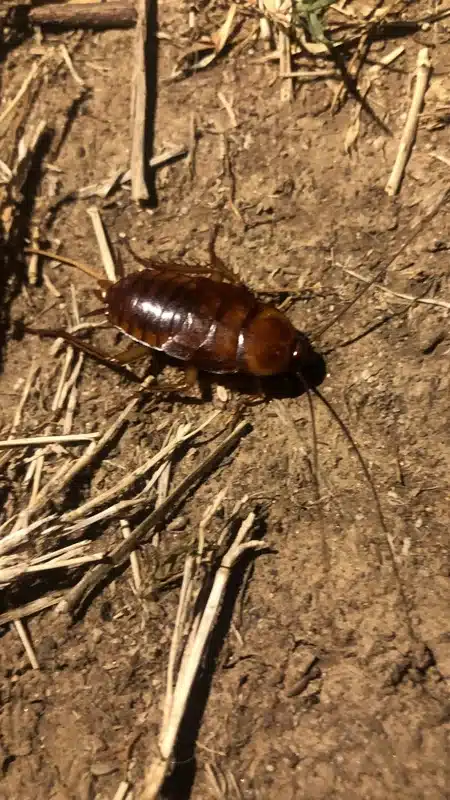
American roaches are much bigger at 1.5 to 2 inches long, about the size of your thumb. They’re reddish-brown with a pale yellow band around the edge of their head. When people call us about “water bugs,” they usually mean American roaches.
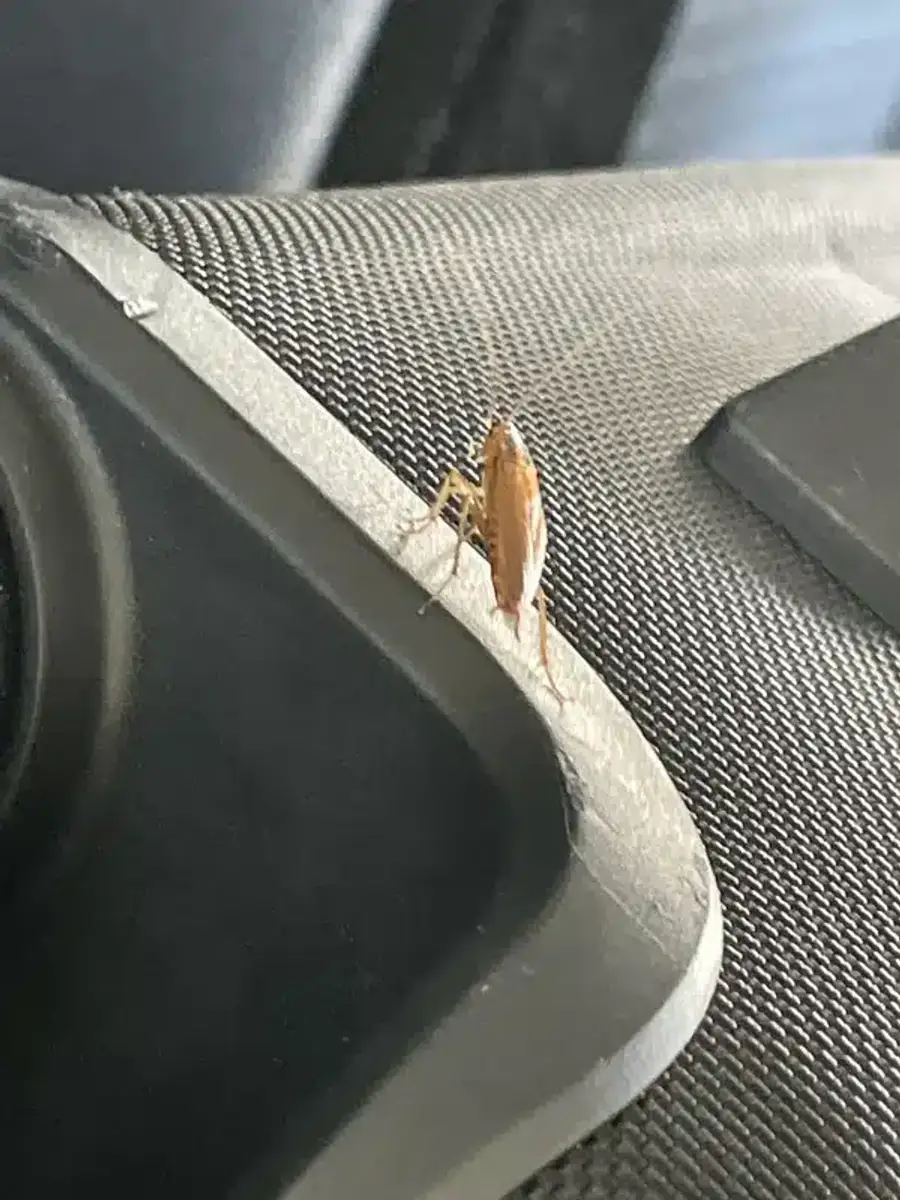
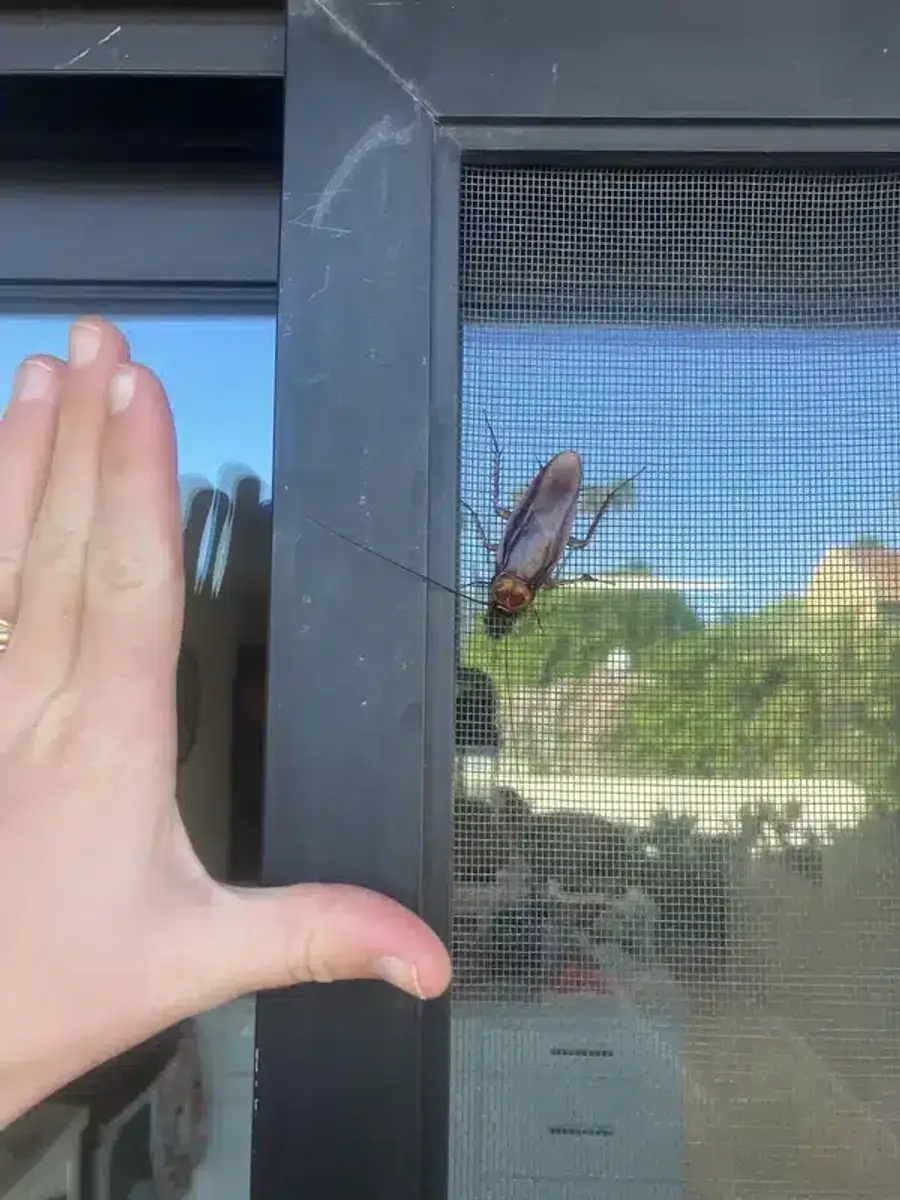
| German Roaches | American Roaches | |
|---|---|---|
| Size | 0.5 inch (penny-sized) | 1.5 to 2 inches (thumb-sized) |
| Color | Light brown with dark stripes | Reddish-brown |
| Speed | Fast, rarely seen in the open | Fast, can fly in warm weather |
| Found in | Kitchens, bathrooms | Basements, crawl spaces |
| Breeding | Very fast (3 to 4 generations/year) | Slower (1 generation/year) |
Not sure what roach you found? Upload a photo and our AI tool can help you figure it out.
Where You’ll Find Each Species
Where you see roaches gives a strong clue about which type you have. Their preferred spots are totally different.
Where German Roaches Hide
- Cabinet hinges: A top hiding spot, both upper and lower cabinets.
- Behind fridges and stoves: Warm motors and food crumbs draw them in.
- Dishwasher panels: The heat and moisture make this a prime spot.
- Under sinks: Leaky pipes give them the water they need.
- Electrical outlets: They squeeze into wall gaps through outlet boxes.
German roaches live only indoors. Rutgers University research found they rarely move more than 16 feet from water. If you spot them, they’re living somewhere warm inside your home.
Where American Roaches Live
- Basements and crawl spaces: Damp, dark areas are their favorite.
- Floor drains and sump pumps: A common entry point from sewer systems.
- Pipe gaps: Where plumbing enters the home.
- Mulch beds and tree hollows: They live outdoors and come in.
- Storm drains: DC’s underground systems hold large populations.
American roaches are outdoor bugs that come inside. They get active after heavy rains when sewer systems can overflow. They can handle brief cold snaps by hiding in sheltered spots.
In the DC metro area, our mix of older homes, shared sewer systems, and humid summers creates perfect conditions for both species. Row houses and townhomes with shared walls can let roaches spread between units.
Behavior and Activity
Both roaches are active at night, but they act in different ways.
German roaches stay hidden during the day. If you see them in daylight, the colony is likely large and overcrowded. They stick to tight spaces and rarely travel far from their hiding spots.
American roaches are bolder. They make more daytime trips, especially when disturbed. When temps rise above 82 degrees, they can fly short distances, which can be startling.
Breeding: Why German Roaches Spread Faster
This is the biggest reason German roaches are harder to deal with. They breed at an alarming rate.
A female German roach carries her egg case until just before hatching. Each case holds about 40 eggs, and she can make 5 to 8 cases in her lifetime. The full life cycle from egg to adult takes just 70 to 100 days. That means 3 to 4 generations per year, with hundreds of new roaches from a single female. Learn more in our guide on how fast roaches multiply.
American roaches breed much slower. Each egg case holds about 16 eggs, and females drop them in hidden spots. It takes 6 to 12 months to go from egg to adult. That’s why American roach problems build up slowly while German roach issues seem to pop up overnight.
Penn State Extension reports that German roaches can go from egg to adult in as few as 54 days under ideal conditions. One female can lead to hundreds of offspring in just a few months. This fast breeding is why early treatment matters so much.
Health Risks
Both types of roaches pose real health risks, but in different ways.
German roaches live right in your kitchen. They walk across counters, dishes, and food. Their droppings and shed skin can trigger asthma, especially in children.
American roaches travel through sewer systems and outdoor waste before coming inside. They carry bacteria on their bodies. But because they don’t usually set up shop in kitchens, they pose less direct food contamination risk.
Knowing which roach you have helps you understand the health risk and pick the right treatment. Use the photos below to compare these two species side by side.
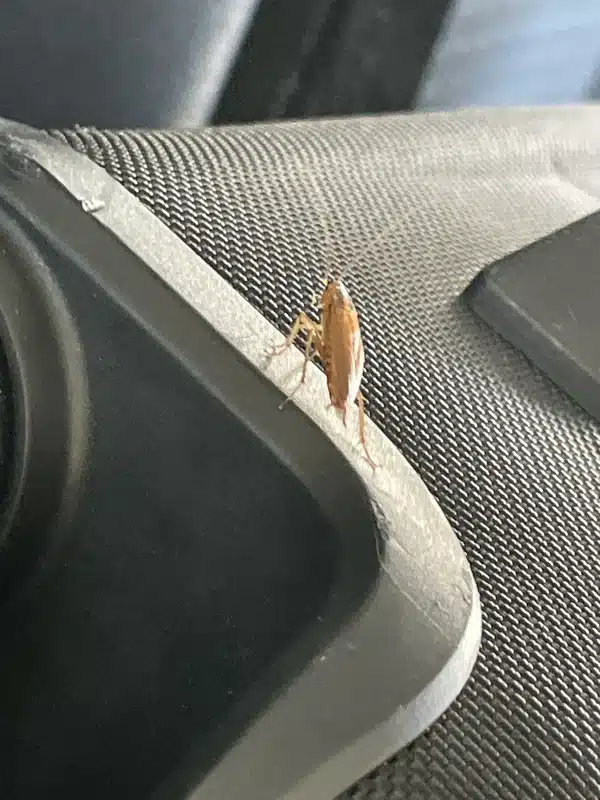
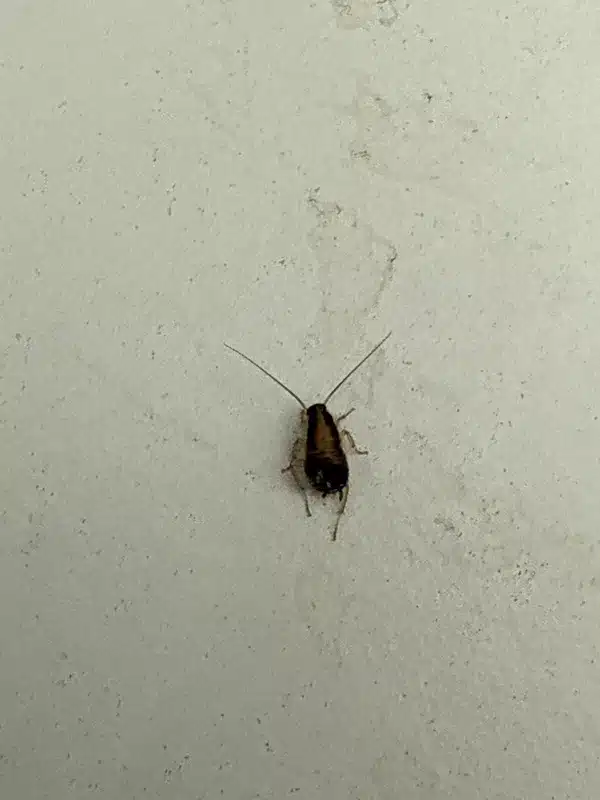

How to Treat Each Species
These two roaches need totally different treatment plans. Using the wrong one wastes time and money.
Getting Rid of German Roaches
- Gel baits in hiding spots: Apply small dots in cabinet hinges, behind appliances, and around pipes.
- Growth regulators (IGRs): These stop young roaches from breeding and break the cycle.
- Boric acid dust: Apply a very thin layer inside wall gaps and behind appliances.
- Deep cleaning: Remove all food sources. Pull out the fridge and stove to clean behind them.
- Seal cracks: Close gaps around cabinets, pipes, and outlets.
NC State research shows that bait rotation is key because German roaches can build resistance in a single season. Our guide on how to get rid of German roaches covers the full process.
Getting Rid of American Roaches
- Seal entry points: Close gaps around pipes, drains, and foundation cracks.
- Screen floor drains: This blocks the main entry from sewer systems.
- Perimeter treatment: Apply lasting products around the home’s exterior.
- Fix moisture issues: Address damp basements and crawl spaces.
- Thin mulch layers: Keep mulch under 2 inches near the foundation.
American roach control focuses on keeping them out. Boric acid works well in basements and crawl spaces as a lasting barrier treatment.
No matter which roach you have, acting fast makes all the difference. Every day you wait lets the population grow and the problem get harder to fix.
Prevention Tips
Stopping roaches before they move in saves time and stress.
Keep German Roaches Out
- Check grocery bags and boxes before bringing them inside.
- Inspect used items like appliances and furniture before buying.
- Clean up grease behind stoves and around kitchen surfaces.
- Fix leaky pipes and dripping faucets right away.
- Store food in sealed containers and never leave dirty dishes out overnight.
Keep American Roaches Out
- Seal gaps around pipes where they enter from walls.
- Screen vents and floor drains to block sewer entry.
- Keep mulch thin and away from the foundation.
- Maintain gutters and downspouts to reduce moisture.
- Check floor drain traps monthly and refill dried-out ones.
Treatment Timeline
How long it takes to get rid of each species differs a lot.
German roaches: You may see more at first as baits draw them out. American roaches: Exclusion work can give results right away.
German roaches: Visible numbers start dropping. American roaches: Indoor sightings should drop a lot after sealing entry points.
German roaches: Egg cases keep hatching. IGRs and baits must stay in place. American roaches: Perimeter treatments keep new ones from coming in.
German roaches: New roaches hit by IGRs can’t breed. The colony crashes. American roaches: Ongoing perimeter care keeps them out for good.
When to Call a Professional
Some small American roach problems can be fixed with exclusion work alone. But German roach problems almost always need pro help. Their fast breeding outpaces most DIY efforts.
Call a pro if:
- You see roaches during the day
- German roaches have spread past the kitchen
- DIY methods haven’t worked after a month
- You live in a building with shared walls
- Anyone in your home has asthma or roach allergies
Our registered techs know how to tell these species apart and treat each one the right way. We use products we’d use in our own homes and have removed nine of the harshest chemicals from our programs.
Have questions about roaches in your home? Call us at 703-683-2000 or email info@bettertermite.com. We’ve served the DC metro area for over 57 years.
Whether it’s German roaches in your kitchen or American roaches in your basement, we’ll figure out the species, find the source, and put together a plan that works.