When small flies start buzzing around your kitchen, it’s frustrating not knowing exactly what you’re dealing with. Are those tiny insects hovering over your fruit bowl the same as the bigger ones landing on your garbage cans? The truth is, fruit flies and house flies are completely different pests that need different approaches to eliminate them effectively.
As a registered technician who’s worked in pest control for four years, I’ve seen countless homeowners struggle with fly problems because they’re using the wrong treatment method. Our family business has been serving the DMV area for over 50 years, and in that time, we’ve learned that successful fly control starts with proper identification.
Understanding the difference between house flies and fruit flies isn’t just about curiosity - it’s about protecting your family’s health and solving your fly problem quickly. Let’s break down everything you need to know to identify these common flies and eliminate them from your home.
How to Tell Fruit Flies and House Flies Apart
The easiest way to identify which type of fly you’re dealing with is by looking at their size and behavior. Fruit flies are tiny - only about 1/8 inch long - while house flies are noticeably larger at about 1/4 inch long.
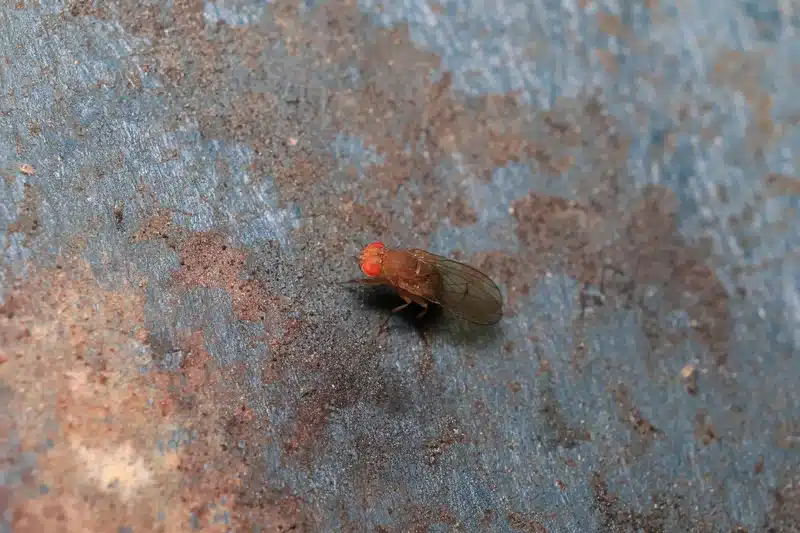
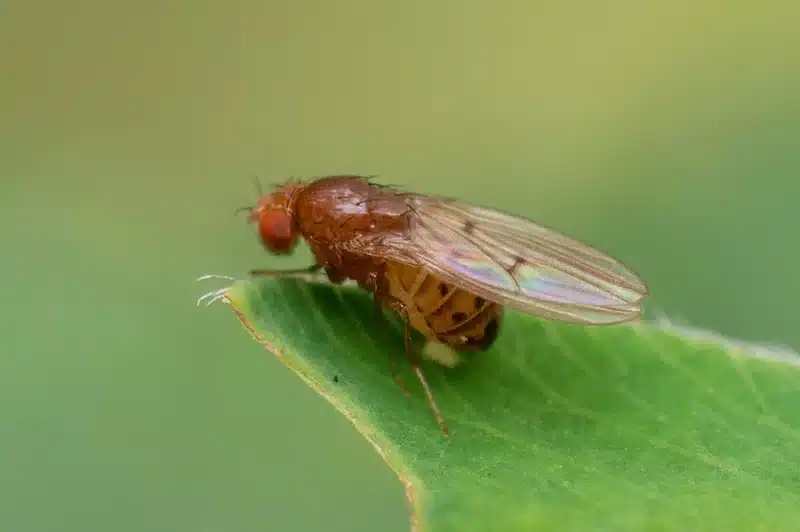
Fruit flies have large red eyes that are easy to spot when they’re sitting still. They’re usually tan to brown in color and tend to hover slowly around their food source. These small flies are attracted to fermenting organic matter and can complete their life cycle in just 8-10 days.
What does the science say?
According to University of Maryland Extension research, fruit flies (Drosophila melanogaster) are attracted to fermenting organic matter where they lay their eggs. The larvae develop in moist, decaying organic material and can complete their entire development from egg to adult in just 8-10 days under optimal conditions. This rapid reproduction cycle means even small amounts of organic material can quickly support large populations.
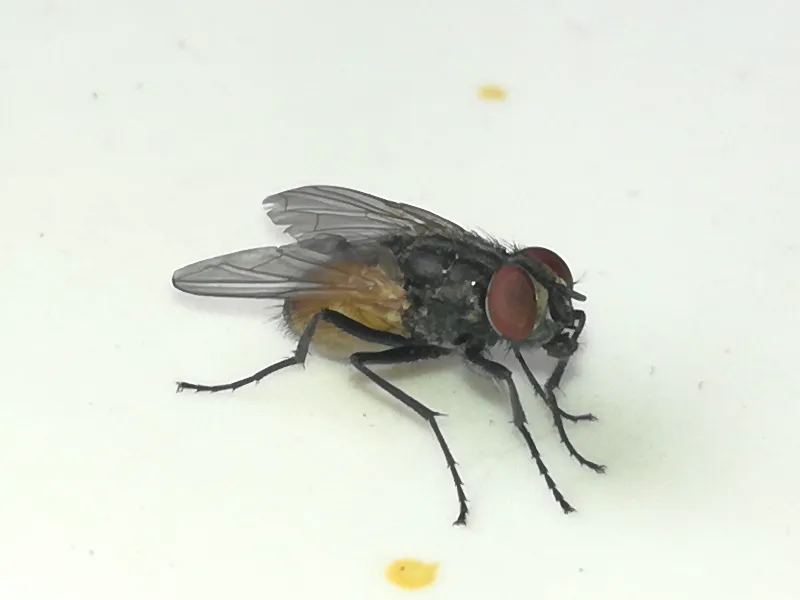
House flies look bigger and darker than fruit flies. They’re gray-black with four dark stripes running down their thorax. These flies have reddish-brown eyes and a bristly body texture. Unlike fruit flies, house flies have rapid, erratic flight patterns and will land on various surfaces throughout your home.
Key Physical Differences
When you’re trying to tell them apart, focus on these specific features:
| Characteristic | Fruit Flies | House Flies |
|---|---|---|
| Size | 2-4 mm (1/8 inch) | 6-7 mm (1/4 inch) |
| Eye Color | Bright red | Reddish-brown |
| Body Color | Tan to brown | Gray-black |
| Wings | Folded flat | Slightly spread |
| Flight Pattern | Slow hovering | Rapid, erratic |
Where Fruit Flies and House Flies Breed: Key Pest Control Locations
Understanding where these flies come from is crucial for effective fly control. Each species targets completely different breeding sites and food sources around your home.
Fruit Fly Breeding Locations
Fruit flies are attracted to fermenting organic matter, especially overripe fruits and vegetables. You’ll commonly find fruit flies breeding in:
- Rotting fruit and vegetables left on counters
- Drain areas with organic buildup and standing water
- Garbage disposals with food residue
- Recycling bins with sugary drink residue
- Mop buckets and cleaning supplies
- Wine, beer, or vinegar containers
The larva develop in these moist, fermenting environments where they feed on yeasts and bacteria. Because their life cycles are so short, even a small amount of organic material can support a large infestation quickly.
House Fly Food Sources and Breeding Sites
House flies prefer decaying organic matter and filth for breeding. Adult house flies lay their eggs in:
- Garbage cans and dumpsters
- Pet waste in yards
- Compost piles and lawn clippings
- Dead animal carcasses
- Manure and organic waste
- Spilled animal feed
The maggot stage develops in these environments, feeding on decomposing organic matter. House flies can complete their development in 7-10 days during warm weather, producing up to 12 generations per season in our Mid-Atlantic climate.
What does the science say?
According to Virginia Tech Extension research, house flies (Musca domestica) require temperatures above 60°F to complete development. In optimal conditions of 80-90°F, they can complete their life cycle from egg to adult in just 7-10 days. This rapid development allows house flies to produce up to 12 overlapping generations per season in the Mid-Atlantic region, with each female capable of laying 400-600 eggs over her lifetime.
Health Risks from Fruit Flies vs House Flies
Both types of flies pose health risks, but house flies are generally considered more dangerous. Many people assume fruit flies are harmless, but recent research shows this isn’t entirely accurate.
House flies are known vectors for over 65 different pathogens, including typhoid, cholera, dysentery, and Campylobacter. These flies pick up bacteria and viruses on their feet and bodies, then transfer them to food and surfaces when they land.
Recent studies have shown that fruit flies can also pose a health risk, as they can mechanically transfer harmful bacteria to ready-to-eat foods after exposure to contaminated sources.
What does the science say?
Penn State Extension reports that house flies are known vectors for over 65 different pathogens, including typhoid, cholera, dysentery, and Campylobacter. Their feeding and breeding habits in filth make them particularly effective at spreading disease.
Research published in the Journal of Food Protection demonstrates that fruit flies can mechanically transfer E. coli O157:H7, Salmonella, and Listeria monocytogenes to ready-to-eat foods. The study found that fruit flies exposed to contaminated sources could transfer these pathogens for up to 24 hours after initial exposure.
The key difference is that house flies travel between filthy breeding sites and your food preparation areas, making them more likely to spread disease. Fruit flies typically stay closer to their food source, but they can still contaminate fresh produce and prepared foods.
Effective Fruit Fly Pest Control Methods
Getting rid of fruit flies requires a focused approach on sanitation and source removal. Since these pests complete their life cycle so quickly, you need to act fast to break the breeding cycle.
Source Removal and Sanitation
The most important step in fly control is eliminating breeding sites. Remove all overripe fruits and vegetables from counters and refrigerate produce when possible. Clean your garbage disposal weekly with boiling water to kill any larva developing in the organic buildup.
Pay special attention to your drain areas. Fruit flies love the gelatinous biofilm that builds up in kitchen and bathroom drains. Scrub drains with a stiff brush and use enzymatic drain cleaners to break down organic matter.
Essential Fruit Fly Control Steps
- Remove Breeding Sources: Dispose of overripe fruit immediately and clean garbage disposals weekly with boiling water
- Clean Drains Thoroughly: Scrub drains with a stiff brush and use enzymatic cleaners to eliminate biofilm buildup
- Set Up Traps: Use apple cider vinegar traps with dish soap to capture adult flies
- Store Food Properly: Refrigerate ripe produce and keep counters clean and dry
- Act Quickly: Address infestations immediately since fruit flies can complete their life cycle in just 8-10 days
Trapping Techniques
Apple cider vinegar traps work extremely well for fruit flies. Fill a jar with 1-2 inches of apple cider vinegar and add a drop of unscented dish soap. The vinegar attracts the flies, and the soap breaks the surface tension so they can’t escape.
For larger infestations, you can use commercial fly traps with spinosad-based baits. These are more effective than DIY traps when you’re dealing with hundreds of fruit flies.
Professional Treatment Options
In severe cases, targeted insecticide applications may be necessary. We use pyrethrin aerosols directed specifically at flying adults, but only after completing thorough sanitation. The key is never applying fly control methods without first removing the breeding source.
House Fly Elimination Strategies
House fly control requires a different approach because these flies often breed outside and fly into your home. Effective control combines exclusion, sanitation, and targeted treatments.
Exclusion and Prevention
Install 16-mesh screens on windows and doors to keep adult house flies out. Check for gaps around doors and install door sweeps where needed. Seal any cracks around pipe penetrations and maintain good airflow to create slight negative pressure indoors.
Remove garbage at least twice weekly and rinse trash cans regularly. Keep pet waste cleaned up and maintain compost piles away from the house. These steps help reduce fly breeding sites near your home.
Mechanical Control Methods
Light traps placed at least 6 feet high work well for indoor house fly control. Use non-zapping glue-style traps in food preparation areas for health reasons. For outdoor areas, odor-bait traps placed 30 feet away from patios can capture flies before they enter your home.
A simple fly swatter is still one of the most effective tools for killing adult flies you can see. It’s immediate and doesn’t require any chemicals around food areas.
Chemical Control Options
For persistent problems, micro-encapsulated pyrethroid sprays can be applied to exterior surfaces like dumpster areas and door frames. These provide residual control but must be applied according to EPA label requirements.
Indoor treatments should be limited to crack and crevice applications or spot treatments in non-food areas. Never spray large surface areas inside homes where food is prepared or consumed.
Comparing Similar Flying Pests
While we’re focusing on fruit flies vs house flies, it’s worth mentioning that several other small flies can invade homes. Understanding what’s the difference helps you choose the right control approach.
Drain flies are similar to fruit flies in size but have fuzzy, moth-like wings. These flies breed in the organic matter that builds up in drain pipes. Our detailed comparison of drain flies vs fruit flies explains how to distinguish between these two common flies.
Fungus gnats look like tiny fruit flies but are attracted to overwatered houseplants rather than fermenting fruit. Phorid flies and flesh flies are less common but may appear around dead animal carcasses or sewage leaks.
Cluster flies invade homes in fall but are larger than house flies and gather in attics or wall voids. Unlike house flies, cluster flies don’t breed in filth but parasitize earthworms outdoors.
When to Call Professional Pest Control Services
While many fly problems can be solved with good sanitation and DIY methods, some situations require professional fly control services. Our experience serving the DMV area has shown us when homeowners need expert help.
Call professional control services when you see flies flying around your house despite repeated cleaning efforts. Large infestations often indicate hidden breeding sites that are difficult to locate without professional training.
If you’re finding flies indoors daily, especially near food preparation areas, it’s time for expert intervention. Our registered technicians can identify breeding sources that homeowners typically miss, like wall voids with dead animal issues or drainage problems.
Businesses and restaurants especially need professional fly management because of health code requirements. A comprehensive control program addresses both immediate problems and long-term prevention strategies.
What Professional Treatment Includes
Professional fly control can be applied using integrated pest management principles. This means we start with thorough inspection to identify all breeding sites and contributing factors.
Our treatment approach combines source removal, exclusion repairs, and targeted applications of EPA-approved products. We use materials like Essentria and other reduced-risk options that have passed through our internal research team.
Follow-up visits ensure the fly problem is completely eliminated. We also provide recommendations for preventing future fly issues through improved sanitation and maintenance practices.
Preventing Future Fruit Fly and House Fly Pest Problems
The best fly control is prevention. Once you solve the problem, maintaining good habits will keep flies from returning to your home.
Store fruits and vegetables properly and dispose of overripe produce immediately. Clean drains monthly and fix any plumbing leaks that create moisture problems. Keep garbage cans sealed and remove trash regularly.
Maintain your yard by cleaning up pet waste, managing compost properly, and removing standing water where flies can breed. Check screens annually and repair any holes that could allow flies to enter.
For ongoing protection, consider a tri-annual pest control program (three times per year) that addresses seasonal fly activity along with other common household pests. This proactive approach prevents small problems from becoming major infestations.
Frequently Asked Questions
Are fruit flies as dirty as house flies?
+
While house flies are generally considered more dangerous because they breed in filth, fruit flies can also carry harmful bacteria. Recent research shows fruit flies can transfer E. coli, Salmonella, and Listeria to food surfaces. However, house flies pose a greater health risk because they regularly travel between contaminated breeding sites and food preparation areas.
Are house flies the same as fruit flies?
+
No, house flies and fruit flies are completely different species. House flies are larger (1/4 inch), gray-black with dark stripes, and breed in garbage and filth. Fruit flies are tiny (1/8 inch), tan-colored with red eyes, and breed in fermenting organic matter like overripe fruit.
Does pouring bleach down the drain get rid of fruit flies?
+
Bleach is not effective for eliminating fruit flies in drains. The bleach dilutes quickly and doesn't remove the gelatinous biofilm where fruit fly larvae develop. Instead, use boiling water followed by mechanical scrubbing with a stiff brush and enzymatic drain cleaners to break down organic buildup.
Can fruit flies turn into regular flies?
+
No, fruit flies cannot turn into house flies or any other type of fly. Each fly species has its own distinct life cycle and remains the same species throughout development. Fruit flies will always develop into adult fruit flies, and house flies will always develop into adult house flies.
How quickly do fruit flies and house flies reproduce?
+
Both species reproduce very quickly in warm weather. Fruit flies complete their life cycle in 8-10 days, while house flies develop in 7-10 days. This means populations can explode quickly when conditions are warm.
With five years of hands-on experience in the pest control industry, George Schulz is a registered technician with the Virginia Pest Management Association and a proud third-generation professional in a family business that's been protecting homes for over 57 years. He manages and trains a team of service pros while also leading internal research efforts—recently spearheading a deep-dive review of thousands of documents on pest control materials to hand-pick the most kid and pet friendly, most effective solutions tailored specifically for homes in the DC metro area.