
Flying termites are a red flag that something is wrong inside or near your home. These winged termites, also called swarmers, show up when a colony is ready to expand. If you see them near your property in Virginia, it’s time to act.
Their appearance signals a mature colony hidden in your wooden structures or underground. This guide explains what flying termites are, why they matter, and what to do about them.
What Are Flying Termites?
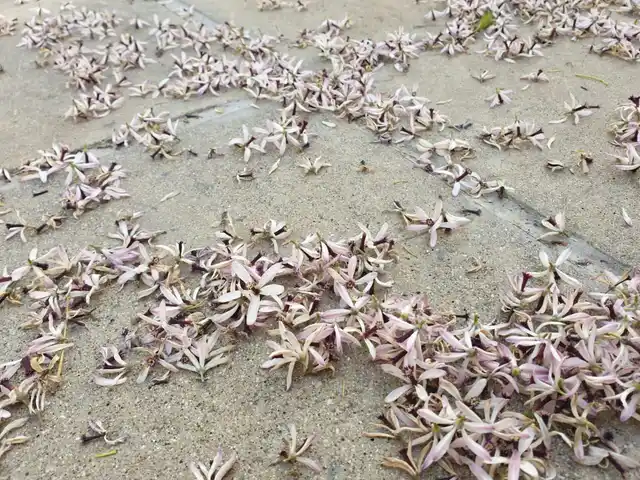
Flying termites are the reproductive members of a termite colony. Their only job is to leave the mature colony, pair up with a mate, and start a new colony somewhere else. Once they land, they shed their wings right away. Finding piles of same-sized wings near windows or doors is one of the clearest signs of a swarm.
Swarms are not random. When you see them inside or outside your home, it means the original colony has grown large enough to produce new queens and kings. For help telling them apart from flying ants, see our termites vs flying ants guide.
Why They’re a Serious Warning
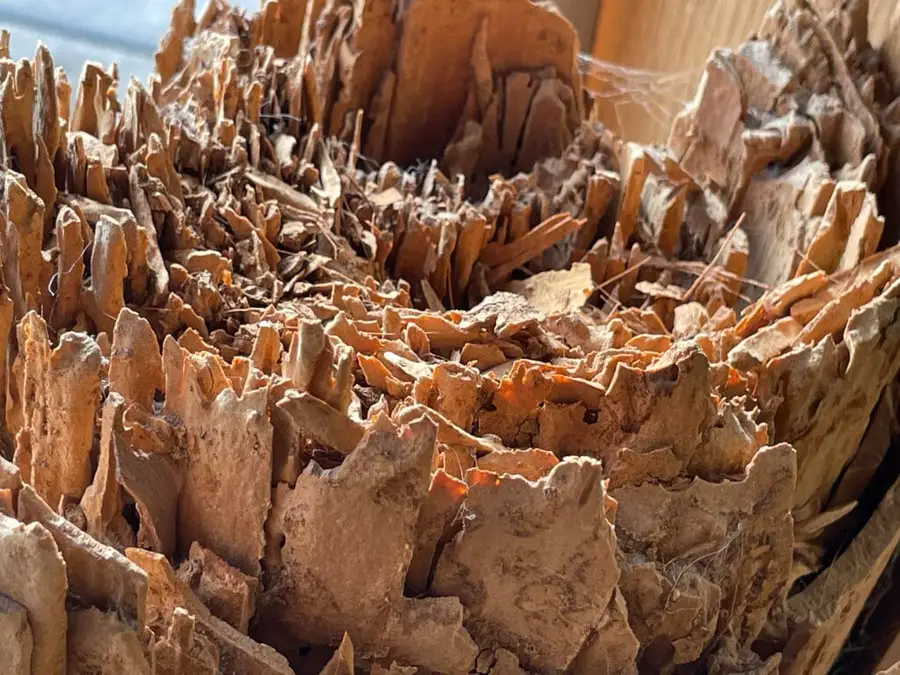
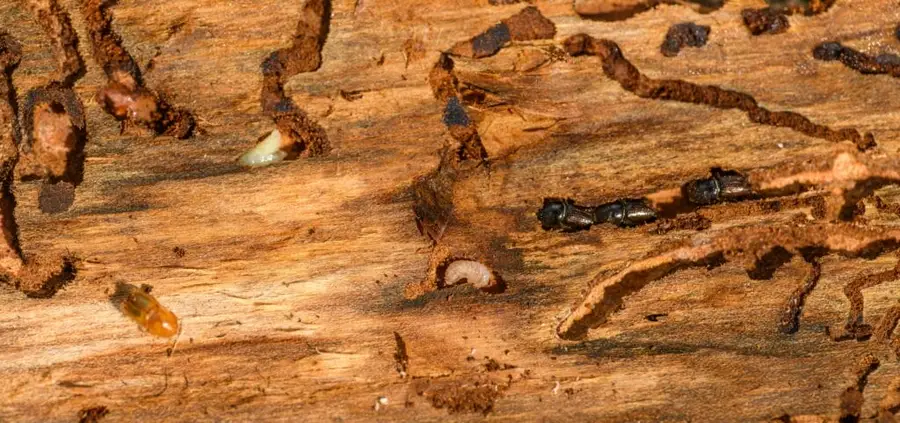
The swarmers themselves don’t eat wood or cause damage. But they signal that an established colony of subterranean termites is nearby, and worker termites from that colony are actively feeding on your home.
What to Look For
- Piles of same-sized, papery wings near windows, doors, or light fixtures
- Swarms of small, dark-bodied insects on warm, humid days (March through June)
- Mud tubes on foundation walls (pencil-width earthen tunnels)
- Hollow-sounding wood when you tap it
- Blistered paint or sticking doors and windows
Mud tubes are especially important. These earthen tunnels let worker termites travel from underground into your home’s wood without being exposed to air. Finding them confirms an active infestation.
What to Do When You See Them
Here’s the right response depending on your situation.
Act Fast
Don’t ignore flying termites. Collect a few in a jar or take photos for identification. Note where you saw them and when. Check foundation walls for mud tubes. Call a licensed termite professional right away.
Quick action stops the colony from expanding and prevents new colonies from forming near your home.
Professional Treatment Options
Treatment must target the underground colony, not just the swarmers you see. Options include:
- Liquid barrier treatments: Create a chemical trench around your foundation that kills termites on contact
- Bait systems (Sentricon): Stations around your home that workers carry back to the colony
- Combination plans: Liquid barrier plus ongoing bait monitoring for maximum protection
Our technicians inspect your property, find the colony, and recommend the right approach. See our full termite control program for details.
Preventing Future Swarms
Once treated, keep termites from coming back:
- Schedule annual termite inspections
- Fix moisture issues around your foundation
- Keep wood and mulch away from the house
- Repair any water-damaged wood
- Maintain proper drainage around the structure
For full prevention strategies, see our termite prevention guide.
No matter which treatment path you choose, regular inspections are the foundation of lasting protection. If it has been a while since anyone looked under your house, our annual termite inspection costs homeowners nothing and takes about half an hour.
Termite Treatment History
When choosing treatment, ask for the property’s termite treatment history. Knowing whether an existing termite contract is in place helps gauge the situation. Your pest control company should explain past treatments, products used, and what ongoing protection looks like.
Our team responds to termite swarm calls across Virginia, often within 24 hours.
If you spot flying termites, call us at 703-683-2000 or email info@bettertermite.com. Our licensed team will inspect your property and stop the colony before damage spreads. For local service, see our Alexandria termite page or schedule a Virginia termite inspection.